02 / THE CONDITIONS — 誕生の背景
WHY HERE.
WHY THEN.
1973—78AFTER GROWTH,
A NEW REFINEMENT.
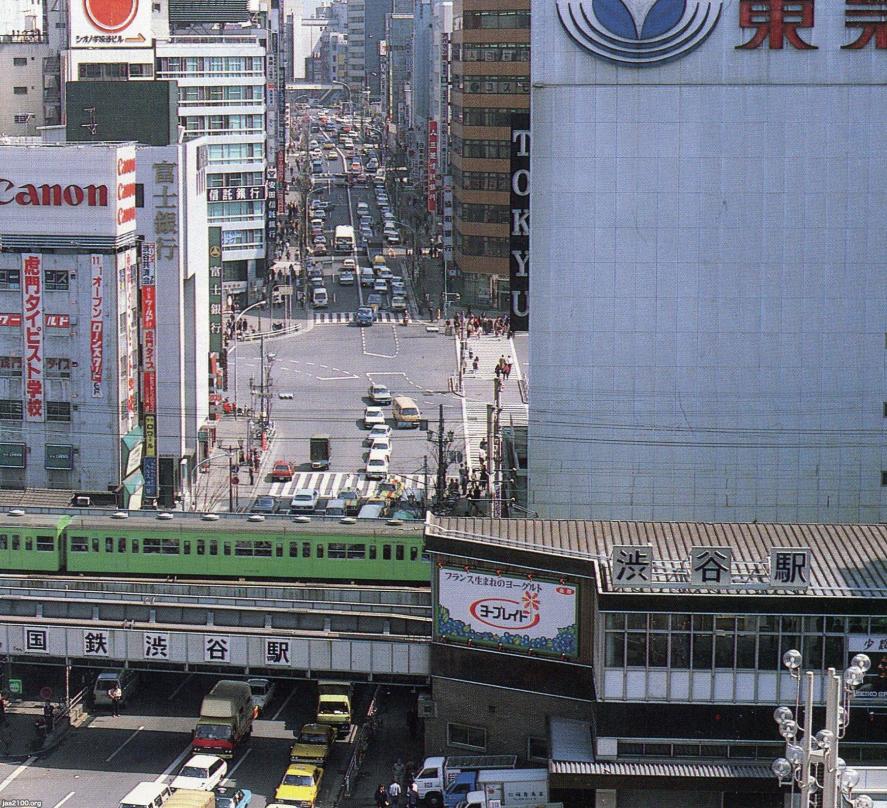
Rapid postwar growth had rebuilt Japan and enlarged its urban middle class. After the 1973 oil shock, aspiration shifted from expansion alone toward design, efficiency and quality. “New Music” artists began writing pop for a more mobile, outward-looking life.
THE STUDIOWORLD-CLASS PLAYERS,
LOCAL IMAGINATION.
Tokyo studios connected exceptional musicians, arrangers and engineers. American records supplied harmonic and rhythmic ideas; Japanese composers gave them a different emotional temperature—precise, melodic and often quietly melancholic.
1979—84MUSIC BECOMES
PRIVATE & PORTABLE.
The Walkman, FM radio, car stereos and increasingly sophisticated home audio changed how records were heard. Music moved out of the living room and into the train, the street and the night drive.
1985—89THE BUBBLE
AMPLIFIES THE IMAGE.
City Pop began before Japan’s late-eighties asset bubble. But the strong yen, expanding credit and culture of consumption intensified its imagery of leisure and possibility. The music became an elegant soundtrack to confidence—and sometimes to the loneliness beneath it.