
 JUNKO OHASHI & MINOYA CENTRAL STATION
CRYSTAL CITY
1977 · ESSENTIALS
€82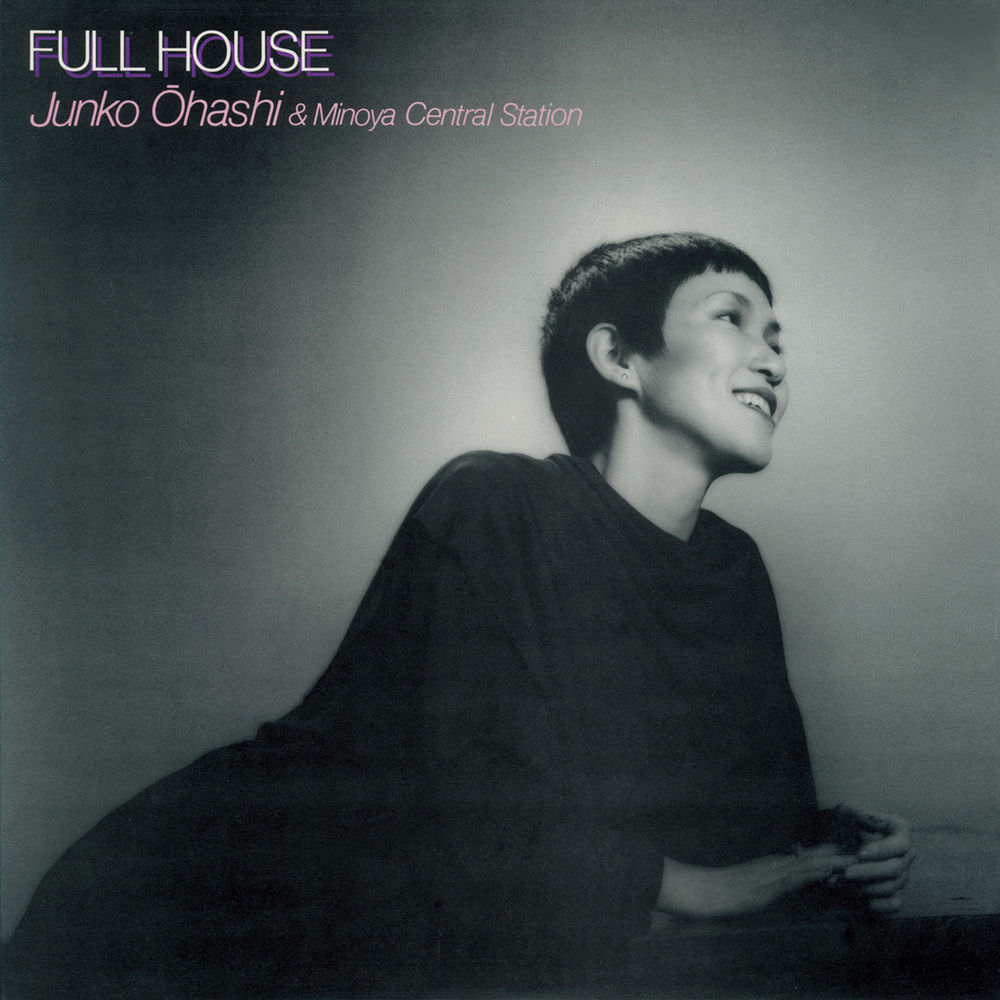
JAPANESE ORIGINAL PRESSING · 1979
JUNKO OHASHI & MINOYA CENTRAL STATION大橋純子&美乃家セントラル・ステイション
Ohashi and Minoya Central Station operate at full force, joining muscular jazz-funk arrangements to an extraordinary lead vocal.
Released in 1979, FULL HOUSE captures Junko Ohashi and the second-generation lineup of Minoya Central Station at a point where their funkier side had become especially polished. The original LP was deliberately divided into a “Funky Side” and a “Mellow Side,” a structure that makes the album’s design unusually clear. “Yume wo Miyou yo,” “DANCING GIRL,” and “FEEL SO FINE” push the first half toward rhythm-driven soul and funk, while “Beautiful Me,” “Smile Again,” and “Kageri Yuku Natsu” soften the pace without losing the band’s instrumental discipline. Songwriters and arrangers including Tetsuji Hayashi, Ken Sato, Kenjiro Oda, and Mitsuo Hagita contribute different shades to the record, but Ohashi’s voice remains the fixed center. Her delivery is powerful enough to cut through dense arrangements, yet controlled enough for the quieter material. What makes FULL HOUSE especially valuable is the balance between a working band’s physical groove and the carefully shaped sophistication of late-1970s Japanese pop. It documents Ohashi before the more electronic boogie sound of the following decade while already pointing directly toward it.
OTHERS ALSO VIEWED
JUNKO OHASHI & MINOYA CENTRAL STATION1977 · ESSENTIALS
€82 MASAYOSHI TAKANAKA
1979 · ESSENTIALS
€62 YASUHA
1981 · ESSENTIALS
€70 TATSURO YAMASHITA
1979 · ESSENTIALS
€70 HIROSHI SATO
1979 · ESSENTIALS
€90 JUNKO YAGAMI
1985 · ESSENTIALS
€55 BREAD & BUTTER
1979 · ESSENTIALS
€62 THE MILKY WAY
1979 · ESSENTIALS
€105 TATSURO YAMASHITA
1982 · ESSENTIALS
€95 YELLOW MAGIC ORCHESTRA
1979 · ESSENTIALS
€58