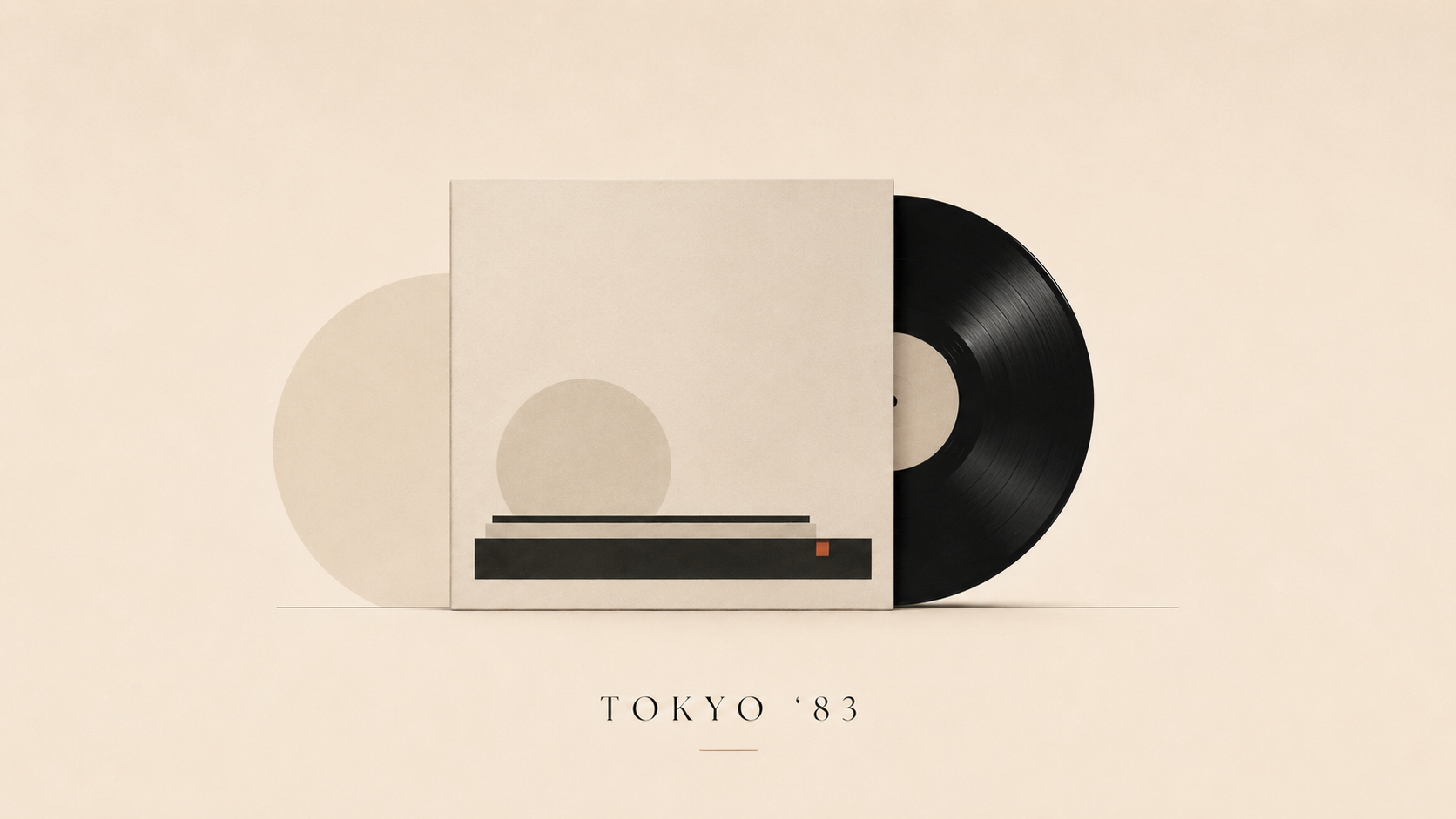
City Pop is a broad style of Japanese popular music that flourished mainly from the late 1970s through the 1980s.
Blending elements of pop, funk, soul, disco, jazz fusion, soft rock, and American AOR, City Pop became closely associated with the sophisticated urban lifestyle of Japan during its period of rapid economic growth.
Decades later, the genre found an entirely new audience outside Japan through YouTube, streaming platforms, social media, and the global revival of vinyl.
Today, artists such as Tatsuro Yamashita, Mariya Takeuchi, Anri, Taeko Ohnuki, and Miki Matsubara are listened to by fans around the world.
What Does “City Pop” Mean?
The term “City Pop” does not describe one strictly defined musical genre.
Instead, it is commonly used to describe polished Japanese pop music influenced by urban culture, Western music, and the modern lifestyle of late-1970s and 1980s Japan.
The Sound of Urban Japan
City Pop often evokes images of:Tokyo at night
Coastal highways
Summer beaches
Luxury hotels
Neon signs
Sports cars
Cafés and bars
Modern apartments
The music frequently reflected an optimistic vision of city life and leisure.
A Mix of Many Genres
City Pop incorporates elements of:Funk
Disco
Soul
Jazz
Jazz fusion
Soft rock
AOR
Boogie
Electronic music
This diversity is one reason City Pop can sound very different from one artist to another.
When Did City Pop Begin?
The roots of City Pop can be traced to Japanese music of the 1970s.
Artists increasingly began incorporating American West Coast rock, soul, jazz, and funk into Japanese popular music.
The Late 1970s
Artists such as Tatsuro Yamashita and Taeko Ohnuki helped establish the sophisticated production style that would later become associated with City Pop.
The band Sugar Babe, formed by Yamashita and Ohnuki, is often regarded as one of the important predecessors of the genre.
The Golden Age of the 1980s
City Pop reached its commercial and creative peak during the 1980s.
Japan's growing economy supported a consumer culture built around cars, travel, fashion, nightlife, and high-end audio equipment.
Music increasingly reflected that lifestyle.
What Does City Pop Sound Like?
There is no single City Pop sound, but several musical characteristics appear frequently.
Smooth Production
City Pop recordings are often highly polished, with carefully arranged instrumentation and sophisticated studio production.
Funky Basslines
Many tracks feature prominent bass guitar influenced by funk, soul, and disco.
Electric Piano and Synthesizers
Rhodes electric piano, synthesizers, and bright keyboard sounds are common throughout the genre.
Strong Horn and String Arrangements
Brass sections, saxophones, and orchestral arrangements give many City Pop recordings a rich, luxurious sound.
Essential City Pop Artists
For newcomers, several artists provide an excellent introduction.
Tatsuro Yamashita
One of the most influential figures in Japanese pop music, Yamashita combines soul, funk, rock, and sophisticated vocal arrangements.
Recommended album:
For You — 1982
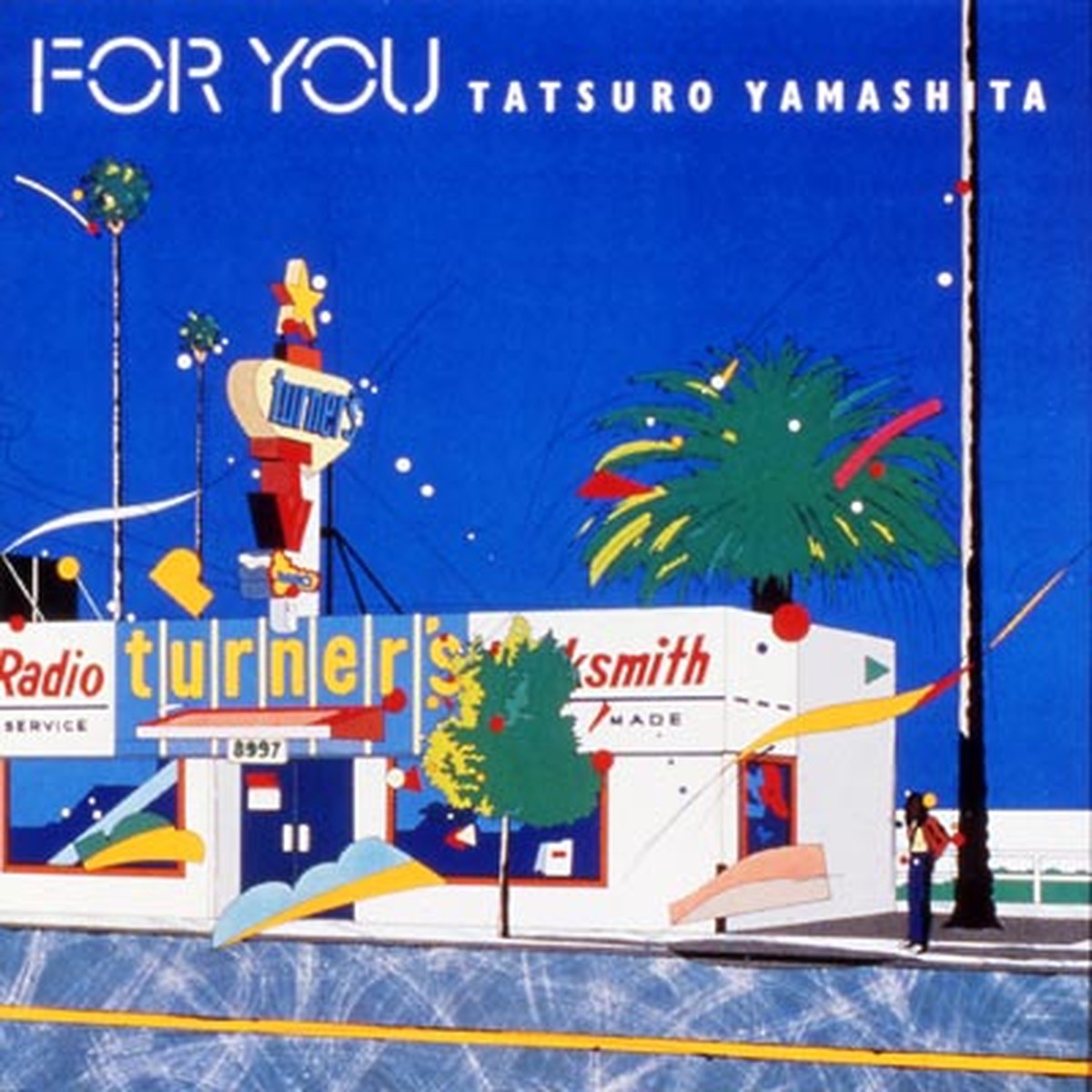 FROM THE TOKYO '83 ARCHIVETATSURO YAMASHITAFOR YOUAVAILABLE TO HUNTVIEW RECORD →
Mariya Takeuchi
International listeners often discover City Pop through Takeuchi's song Plastic Love.
Recommended album:
Variety — 1984
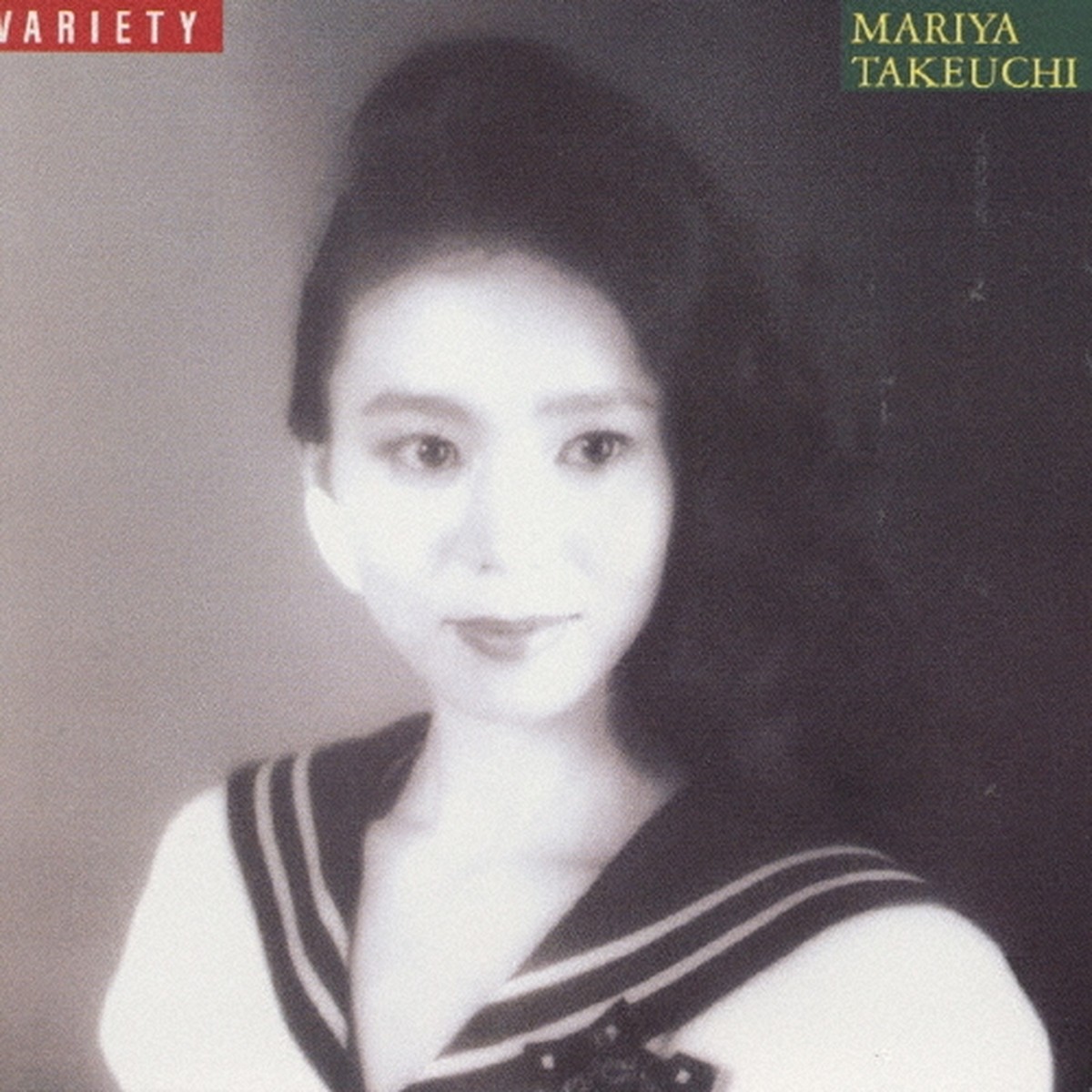 FROM THE TOKYO '83 ARCHIVEMARIYA TAKEUCHIVARIETYAVAILABLE TO HUNTVIEW RECORD →
Anri
Anri's music combines pop, funk, dance music, and coastal summer imagery.
Recommended albums:
Timely!! — 1983
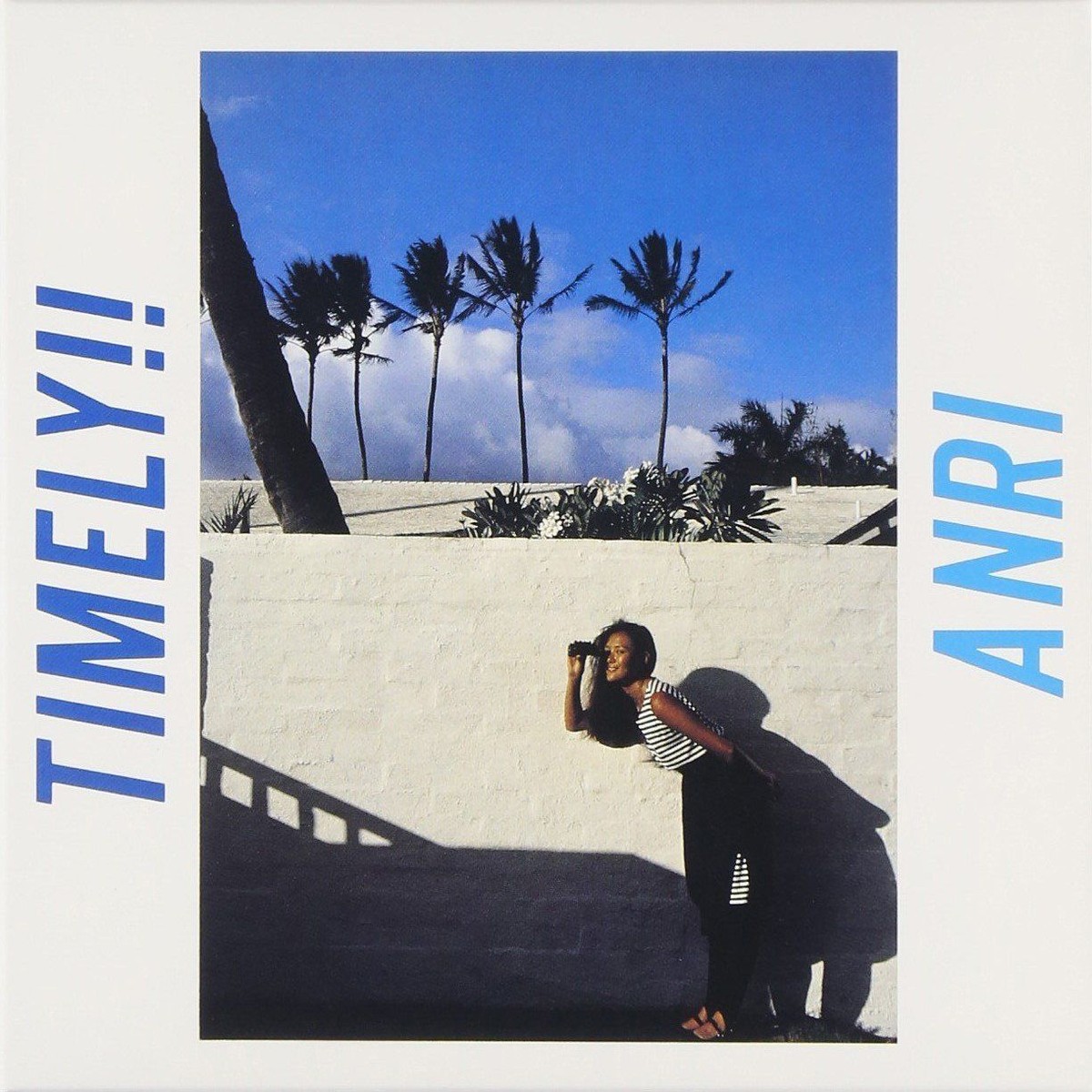 FROM THE TOKYO '83 ARCHIVEANRITIMELY!!AVAILABLE TO HUNTVIEW RECORD →
Coool — 1984
Taeko Ohnuki
Ohnuki represents a more elegant and experimental side of Japanese pop.
Recommended albums:
Sunshower — 1977
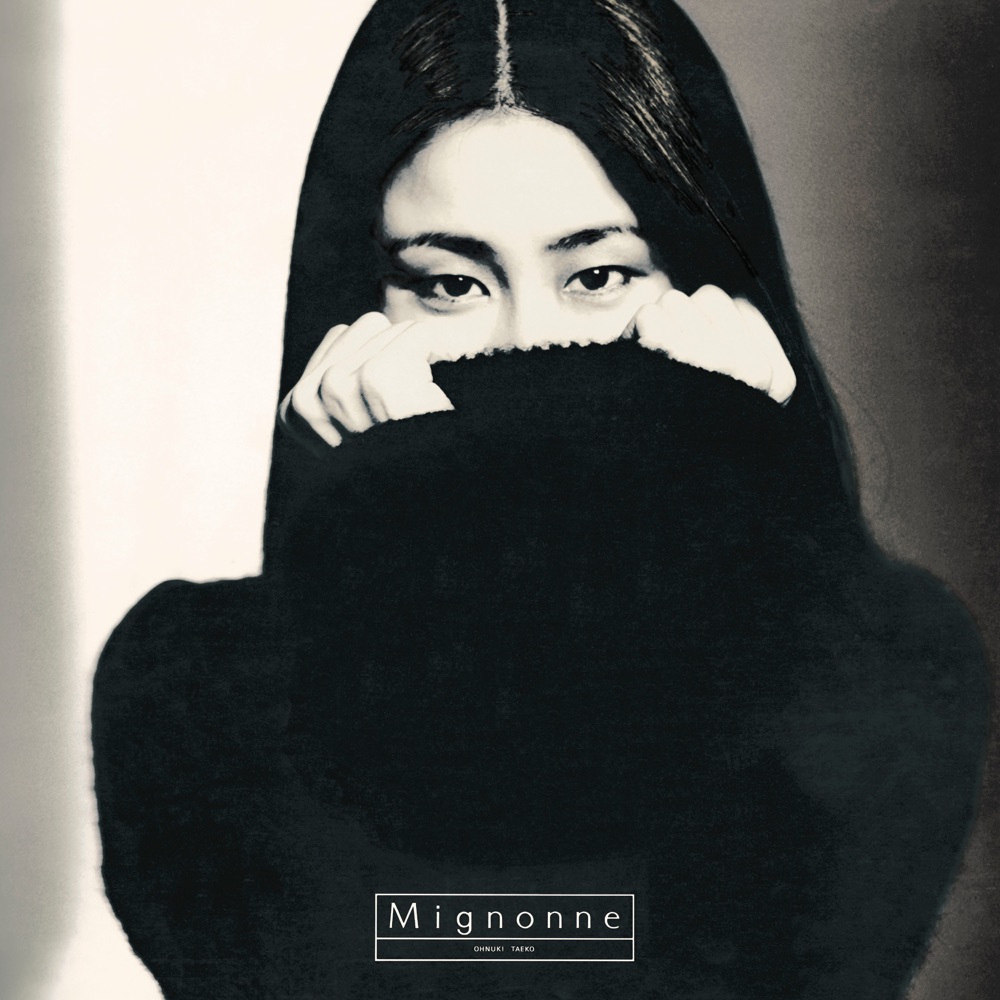 FROM THE TOKYO '83 ARCHIVETAEKO OHNUKIMIGNONNEAVAILABLE TO HUNTVIEW RECORD →
Mignonne — 1978
FROM THE TOKYO '83 ARCHIVETAEKO OHNUKIMIGNONNEAVAILABLE TO HUNTVIEW RECORD →Miki Matsubara
Her debut single Mayonaka no Door / Stay With Me became one of the most internationally recognizable Japanese songs from the era.
Why City Pop Became Popular Worldwide
City Pop remained largely unknown to many Western listeners for decades.
The internet changed that.
YouTube Recommendations
Songs such as Plastic Love began appearing in recommendation feeds, exposing millions of listeners to Japanese music they had never previously encountered.
Vaporwave and Future Funk
Producers sampled Japanese pop, funk, and disco recordings, encouraging listeners to search for the original tracks.
Social Media
TikTok, Instagram, and online music communities introduced City Pop to younger audiences.
The Vinyl Revival
Collectors searching for Japanese records also helped create a new international market for original City Pop pressings.
Why City Pop Sounds So Modern
Even though much of the music was recorded more than forty years ago, its production often feels surprisingly contemporary.
High-quality studio musicians, sophisticated arrangements, and strong recording techniques helped many albums age extremely well.
The combination of nostalgia and modern-sounding production is a major part of City Pop's international appeal.
Where Should Beginners Start?
A good first City Pop collection might include:Tatsuro Yamashita — For You
Anri — Timely!!
Taeko Ohnuki — Sunshower
Mariya Takeuchi — Variety
Junko Ohashi — Magical
Tomoko Aran — Fuyu-Kukan
These albums represent several different sides of the genre.
City Pop Is More Than a Genre
City Pop is not simply a category of Japanese music.
For many listeners, it represents an entire atmosphere: summer evenings, urban lights, coastal roads, analog audio, and an optimistic vision of modern Japan.
That combination of music and culture is exactly why City Pop continues to attract new listeners around the world.