
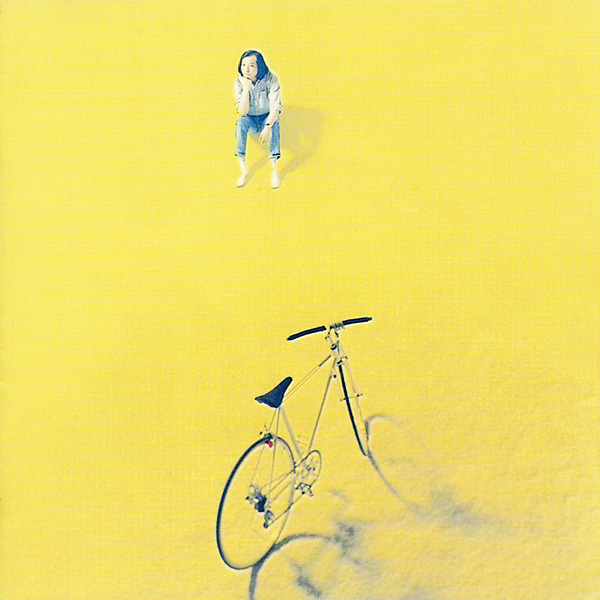
 TATSURO YAMASHITA
BOKU NO NAKA NO SHONEN
1988 · ESSENTIALS
€75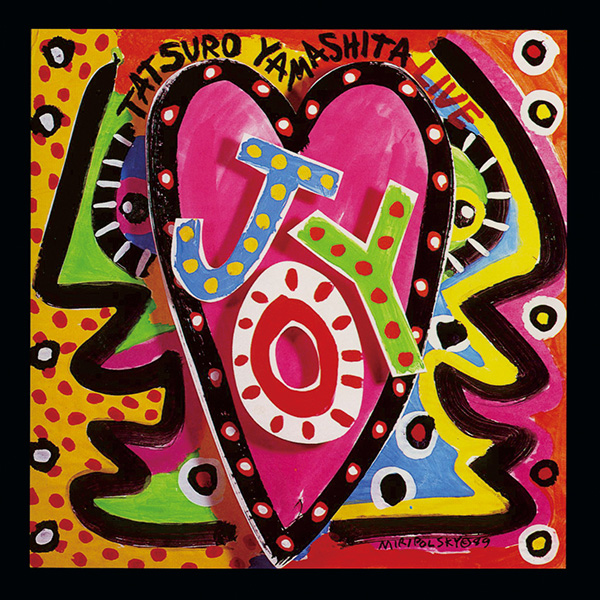
JAPANESE ORIGINAL PRESSING · 1989
TATSURO YAMASHITA山下達郎
Drawn from years of performances, JOY documents the scale, discipline and warmth of Yamashita’s live band across two expansive discs.
Released in 1989, JOY is far more than a conventional live album. Compiled from performances recorded in Tokyo, Sendai, Koriyama, Yokohama, and Osaka, the two-disc set functions as a history of Tatsuro Yamashita’s touring life across the 1980s. Its 21 tracks draw from nearly every phase of his career, including “SPARKLE,” “LOVE SPACE,” “DANCER,” “RIDE ON TIME,” “DOWN TOWN,” “Get Back in Love,” and “Sobo,” while also making room for covers and songs associated with other artists, including Mariya Takeuchi’s “Plastic Love.” The importance of JOY lies in how different these songs feel outside the studio. Yamashita is famous for obsessive production detail, yet on stage the arrangements become more elastic: rhythm sections push harder, instrumental sections expand, and the vocals gain a physical intensity that cannot be created through overdubbing alone. The album therefore reveals the live musicianship underneath the perfection of his records. Rather than reproducing studio versions, Yamashita and his band rework them as living arrangements, making JOY one of the clearest demonstrations of why his reputation as a live artist became as important as his studio craft.
OTHERS ALSO VIEWED
TATSURO YAMASHITA1988 · ESSENTIALS
€75 TATSURO YAMASHITA
1991 · ESSENTIALS
€78 JUNKO OHASHI
1984 · ESSENTIALS
€58 TATSURO YAMASHITA
1986 · ESSENTIALS
€70 TATSURO YAMASHITA
1986 · ESSENTIALS
€55 HIROSHI SATO
1986 · ESSENTIALS
€88 TATSURO YAMASHITA
1984 · ESSENTIALS
€65 TATSURO YAMASHITA
1983 · ESSENTIALS
€60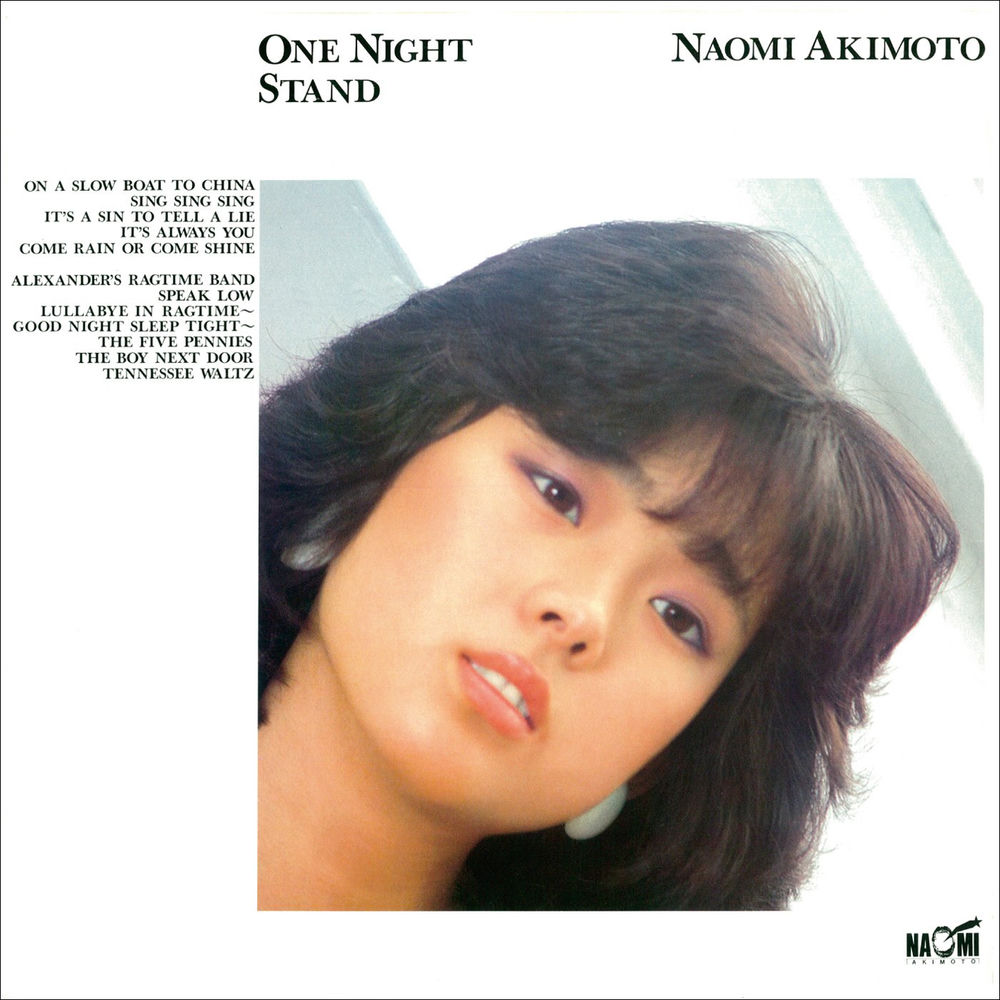 NAOMI AKIMOTO
1982 · ESSENTIALS
€125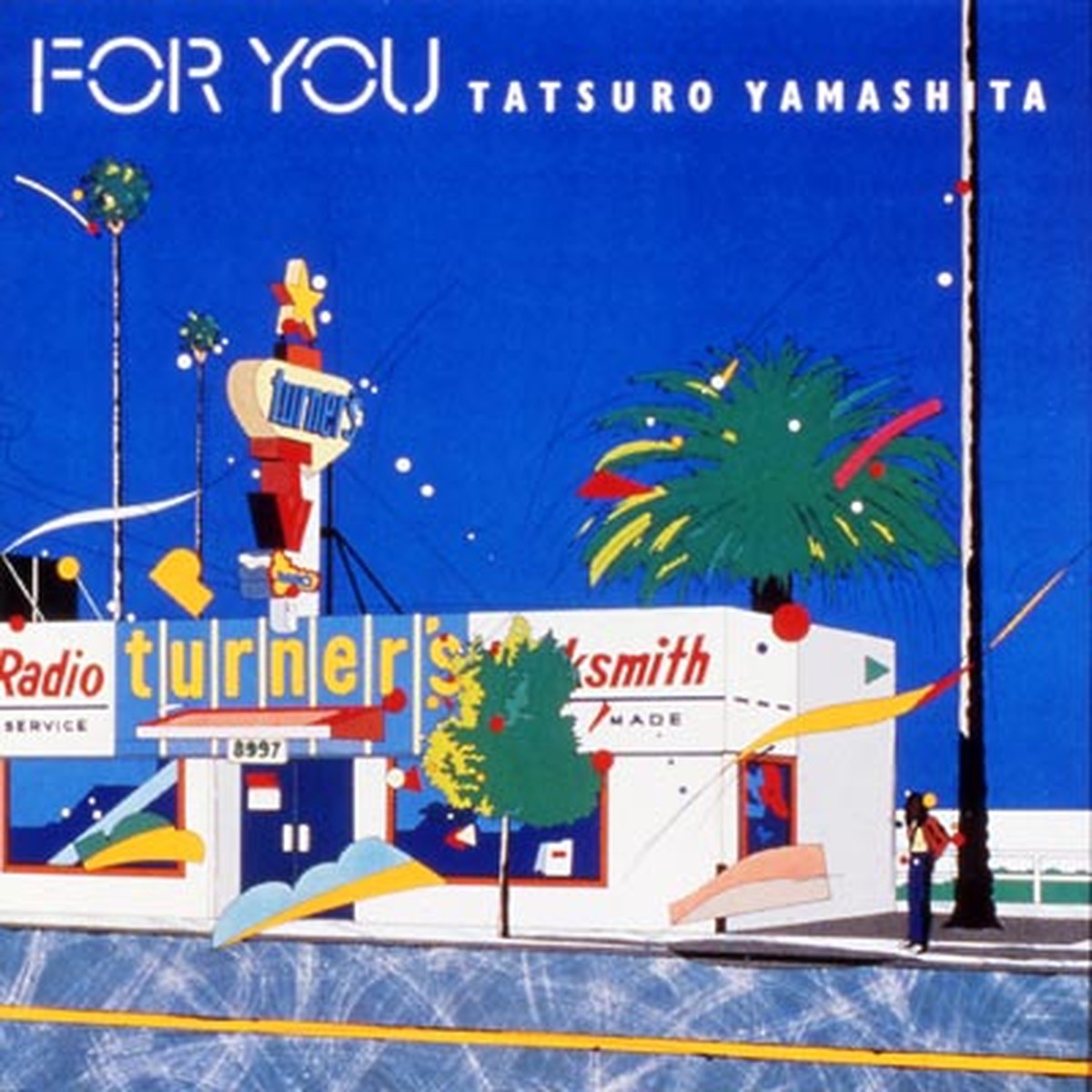 TATSURO YAMASHITA
1982 · ESSENTIALS
€95