
 TOSHIKI KADOMATSU
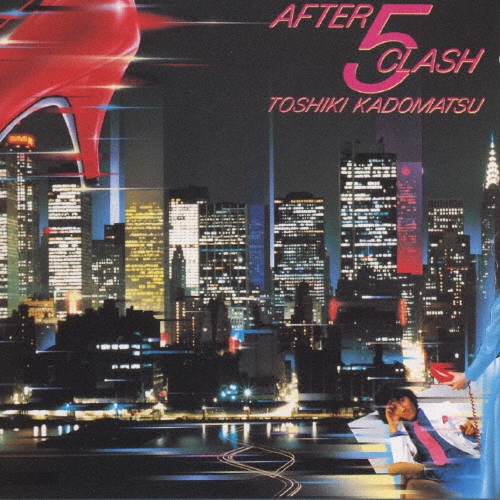
AFTER 5 CLASH
1984 · ESSENTIALS
€98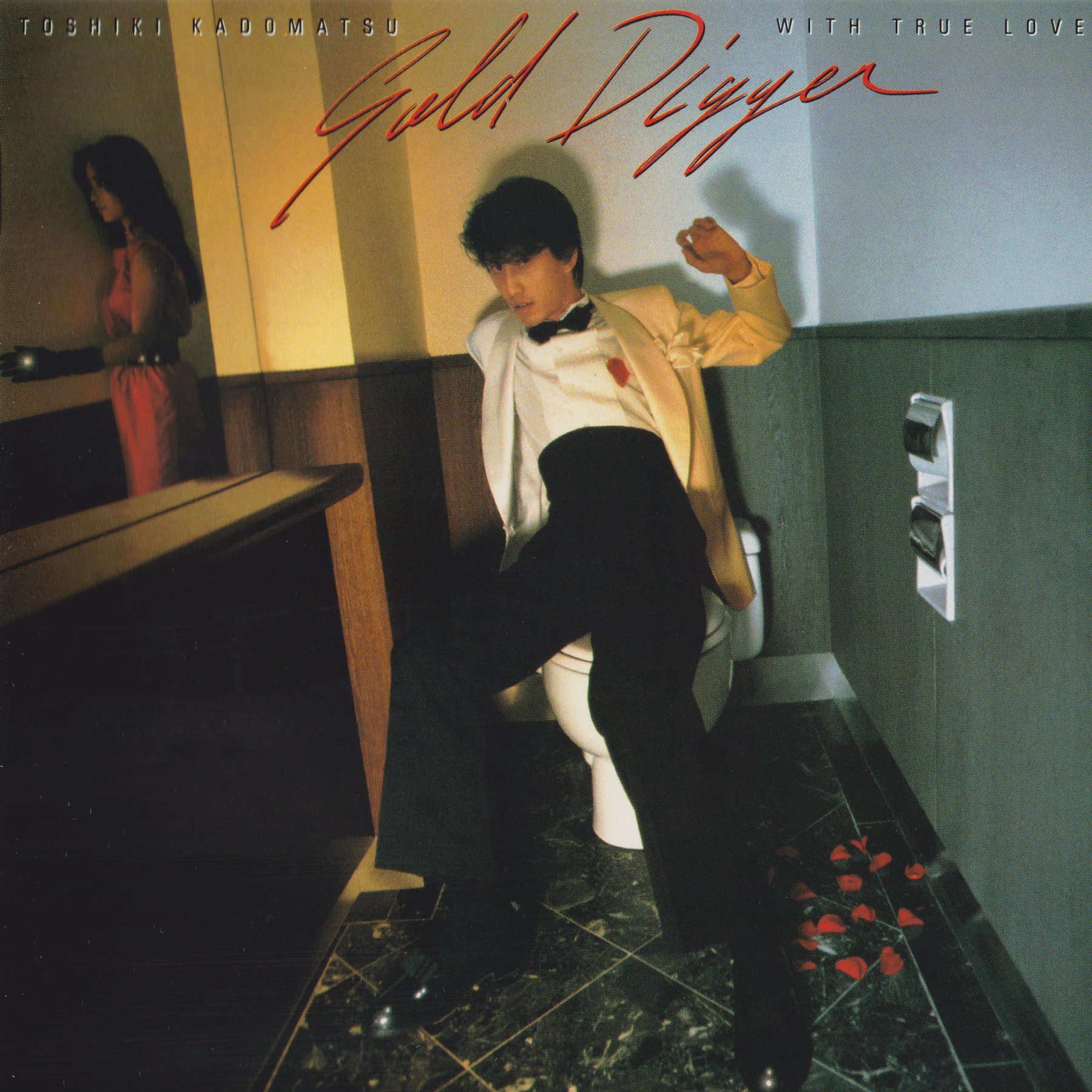
JAPANESE ORIGINAL PRESSING · 1985
TOSHIKI KADOMATSU角松敏生
Kadomatsu at peak metropolitan intensity: programmed drums, dazzling bass and a legendary Tokyo Tower centerpiece turn the album into a blueprint for Japanese boogie.
Released in 1985, GOLD DIGGER — WITH TRUE LOVE pushes Toshiki Kadomatsu deeper into the harder urban funk and boogie direction introduced on AFTER 5 CLASH. If the previous album established the city after dark as his new setting, GOLD DIGGER intensifies that world through heavier bass, sharper drum programming, more aggressive synthesizers, and a stronger club-oriented sense of momentum. Tracks such as “I Can Give You My Love,” “Can’t You See,” and “Tokyo Tower” combine polished AOR songwriting with a rhythm section designed to hit physically rather than simply provide smooth support. “Tokyo Tower” is especially emblematic: the city is no longer just scenery but part of the record’s emotional architecture, simultaneously glamorous and isolating. Kadomatsu’s production had become increasingly self-assured by this point, and the arrangements leave less distance between songwriting and groove—the rhythm itself carries much of the drama. GOLD DIGGER is therefore one of the strongest examples of Japanese boogie moving away from coastal leisure and toward a denser metropolitan nightlife aesthetic, making it a crucial bridge between city pop, funk, and the club-conscious production language of the mid-1980s.
OTHERS ALSO VIEWED
TOSHIKI KADOMATSU1984 · ESSENTIALS
€98 TOSHIKI KADOMATSU
1987 · ESSENTIALS
€105 S. KIYOTAKA & OMEGA TRIBE
1984 · ESSENTIALS
€31 TOSHIKI KADOMATSU
1983 · ESSENTIALS
€851982 · ESSENTIALS
€78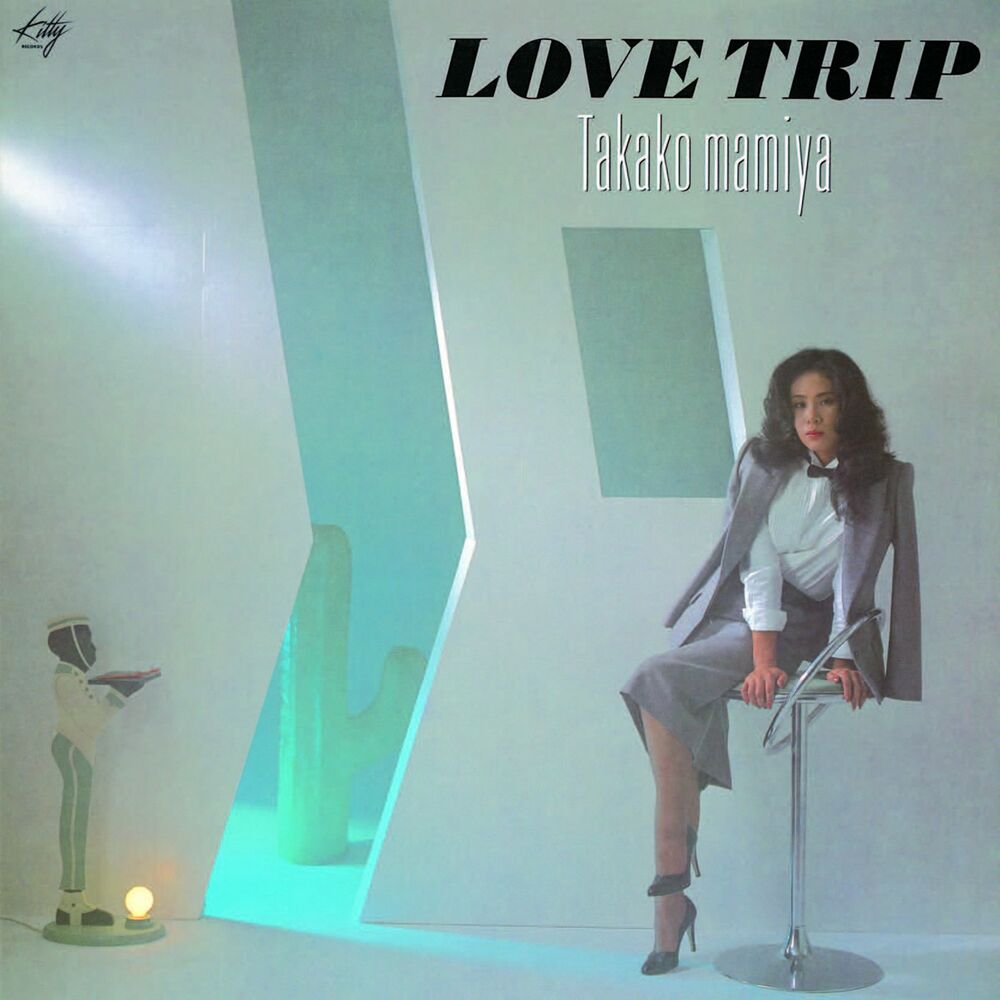 TAKAKO MAMIYA
1982 · ESSENTIALS
€180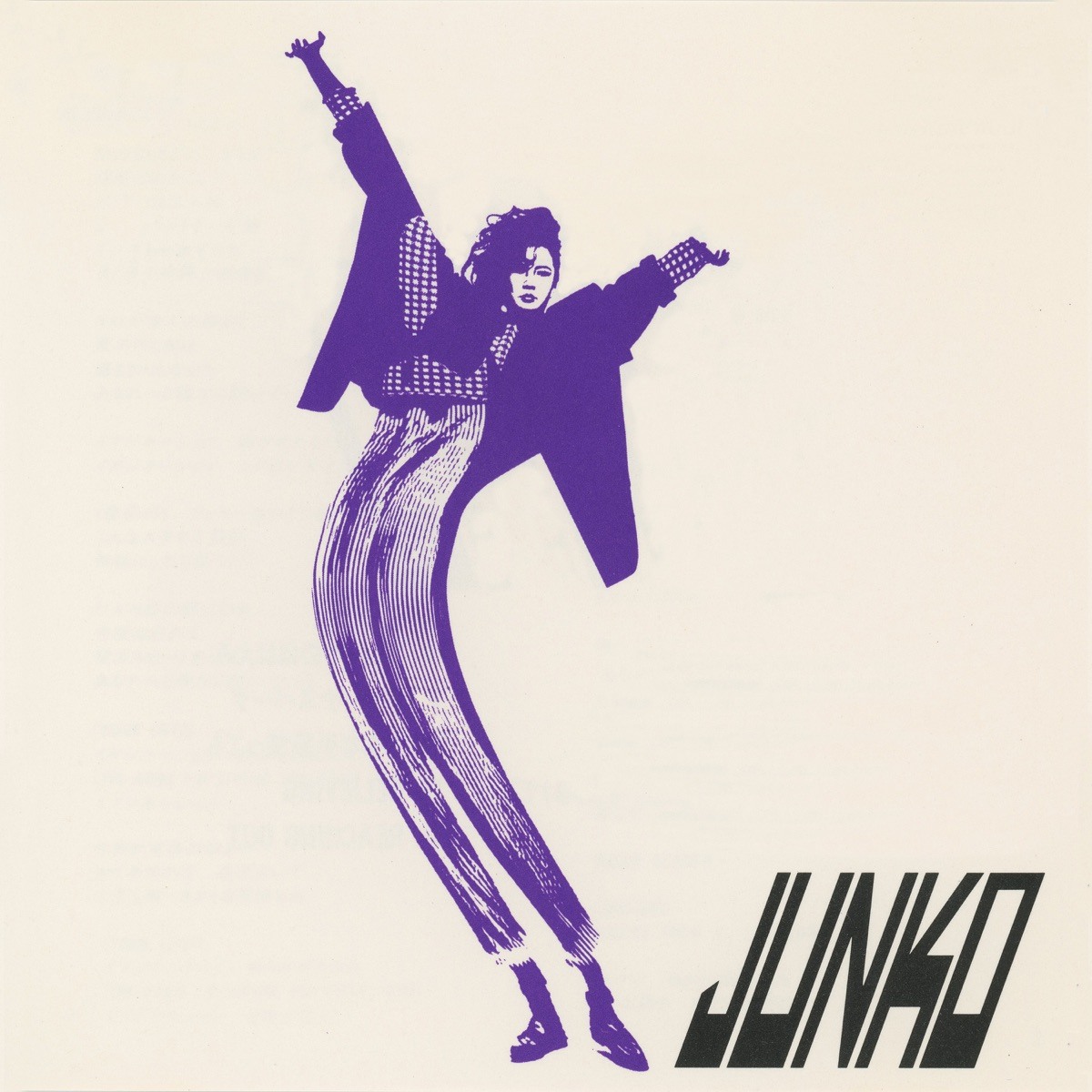 JUNKO YAGAMI
1985 · ESSENTIALS
€55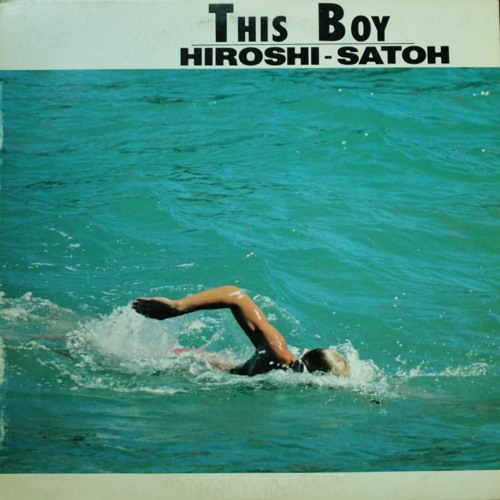 HIROSHI SATO
1985 · ESSENTIALS
€85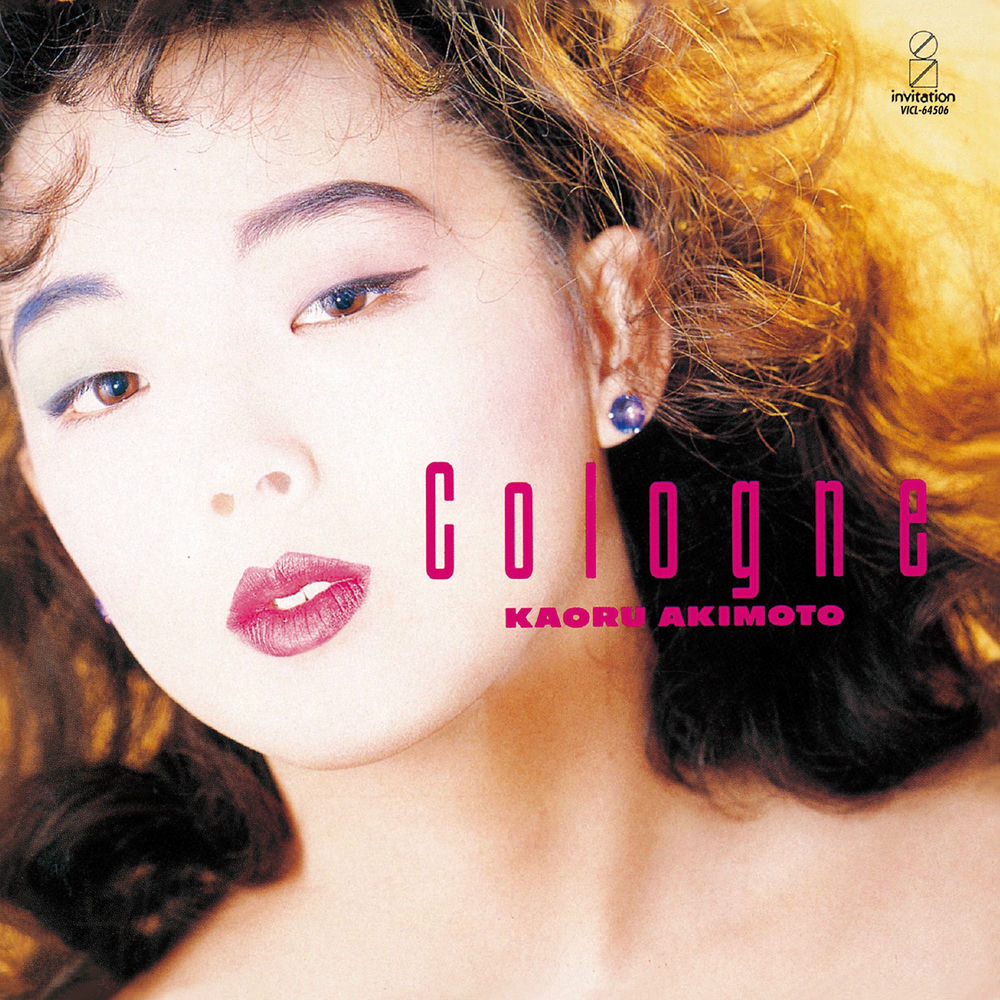 KAORU AKIMOTO
1986 · ESSENTIALS
€110 S. KIYOTAKA & OMEGA TRIBE
1985 · ESSENTIALS
€45