
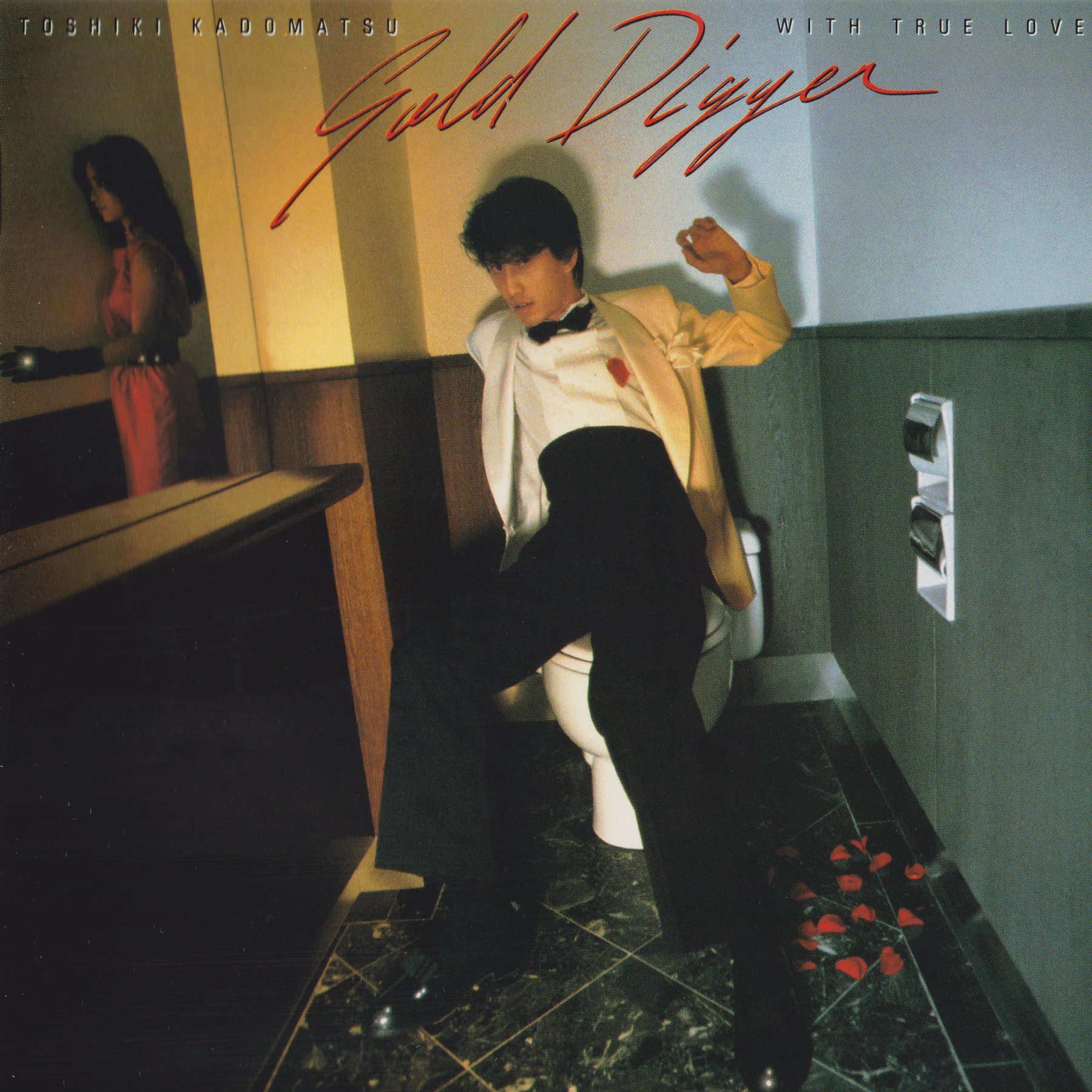
 TOSHIKI KADOMATSU
GOLD DIGGER — WITH TRUE LOVE
1985 · ESSENTIALS
€65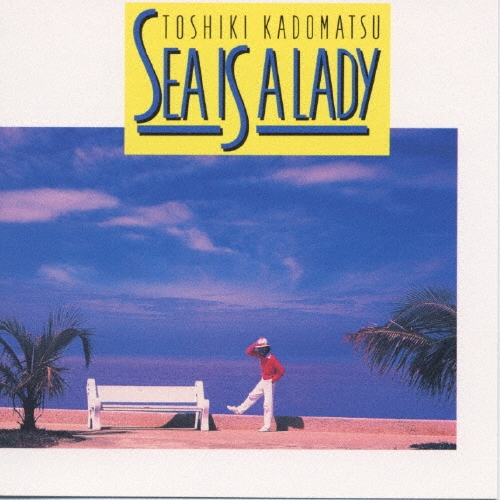
JAPANESE ORIGINAL PRESSING · 1987
TOSHIKI KADOMATSU角松敏生
An instrumental coastal suite in which bright guitar, elastic bass and immaculate ensemble playing make the studio feel physical.
Released in 1987, SEA IS A LADY is a major departure within Toshiki Kadomatsu’s catalog: an entirely instrumental album built around guitar, rhythm, and an idealized image of the sea. Rather than simply removing vocals from his usual city-pop formula, Kadomatsu uses the format to move much closer to contemporary Japanese fusion. The supporting cast is formidable, including bassist Tomohito Aoki, drummer Shuichi “Ponta” Murakami, keyboardist Hiroshi Sato, and percussionist Nobu Saito. “SEA LINE” became the album’s best-known piece and was used in a Japanese cigarette commercial, helping it gain recognition beyond fusion listeners. Across the record, Kadomatsu’s guitar is treated less as a vehicle for extended soloing than as part of a carefully controlled ensemble sound, surrounded by slap bass, bright keyboards, percussion, and sharply defined drums. The production is unmistakably late-eighties, but the album remains unusually light on its feet. SEA IS A LADY demonstrates that the rhythmic and arrangement ideas behind Kadomatsu’s vocal records could function just as effectively without lyrics, making it an important bridge between his boogie/AOR work and Japan’s instrumental fusion tradition.
OTHERS ALSO VIEWED
TOSHIKI KADOMATSU1985 · ESSENTIALS
€65 TOSHIKI KADOMATSU
1984 · ESSENTIALS
€98 TATSURO YAMASHITA
1983 · ESSENTIALS
€60 TOSHIKI KADOMATSU
1983 · ESSENTIALS
€851982 · ESSENTIALS
€78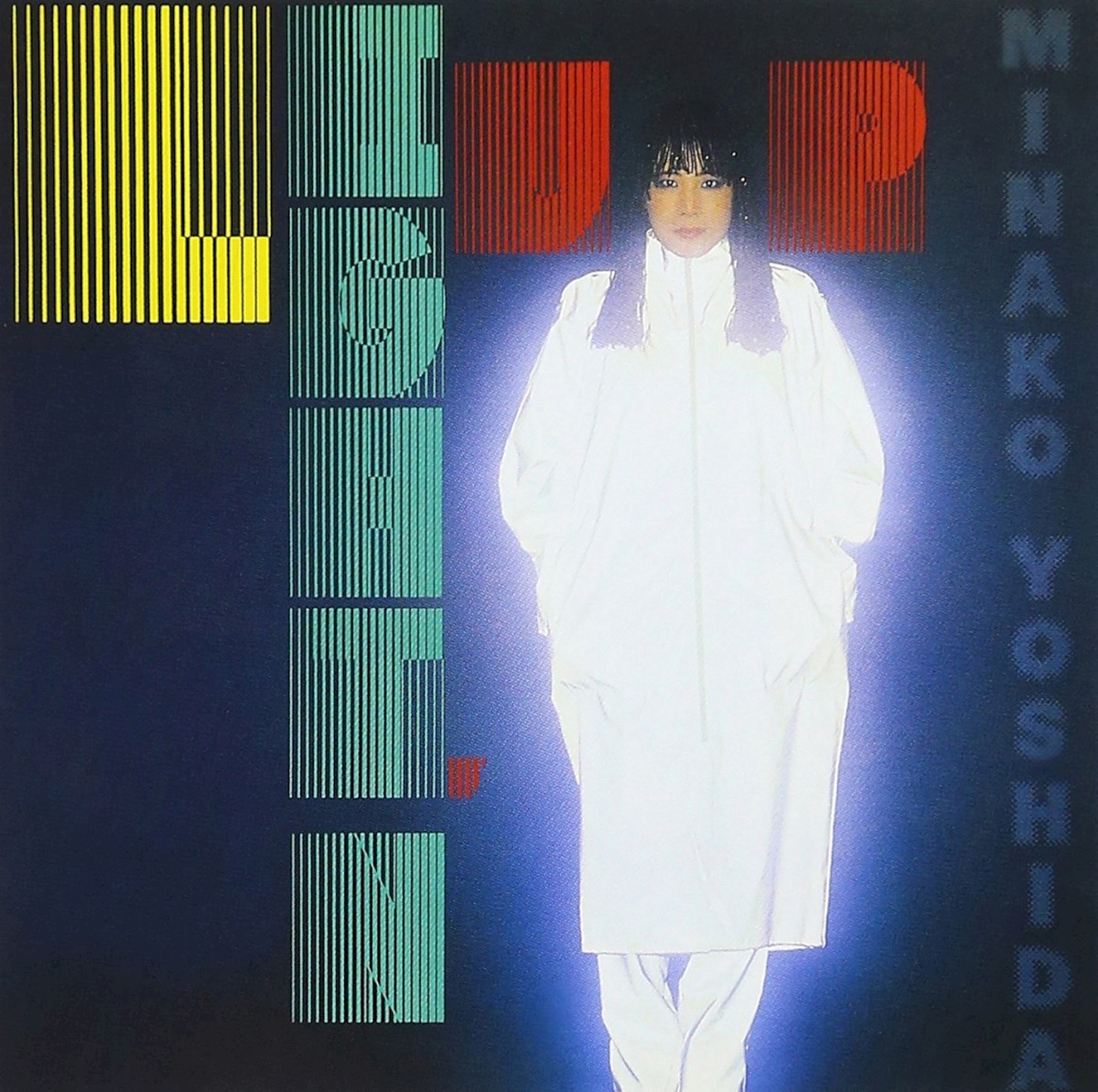 MINAKO YOSHIDA
1982 · ESSENTIALS
€75 MARIYA TAKEUCHI
1987 · ESSENTIALS
€65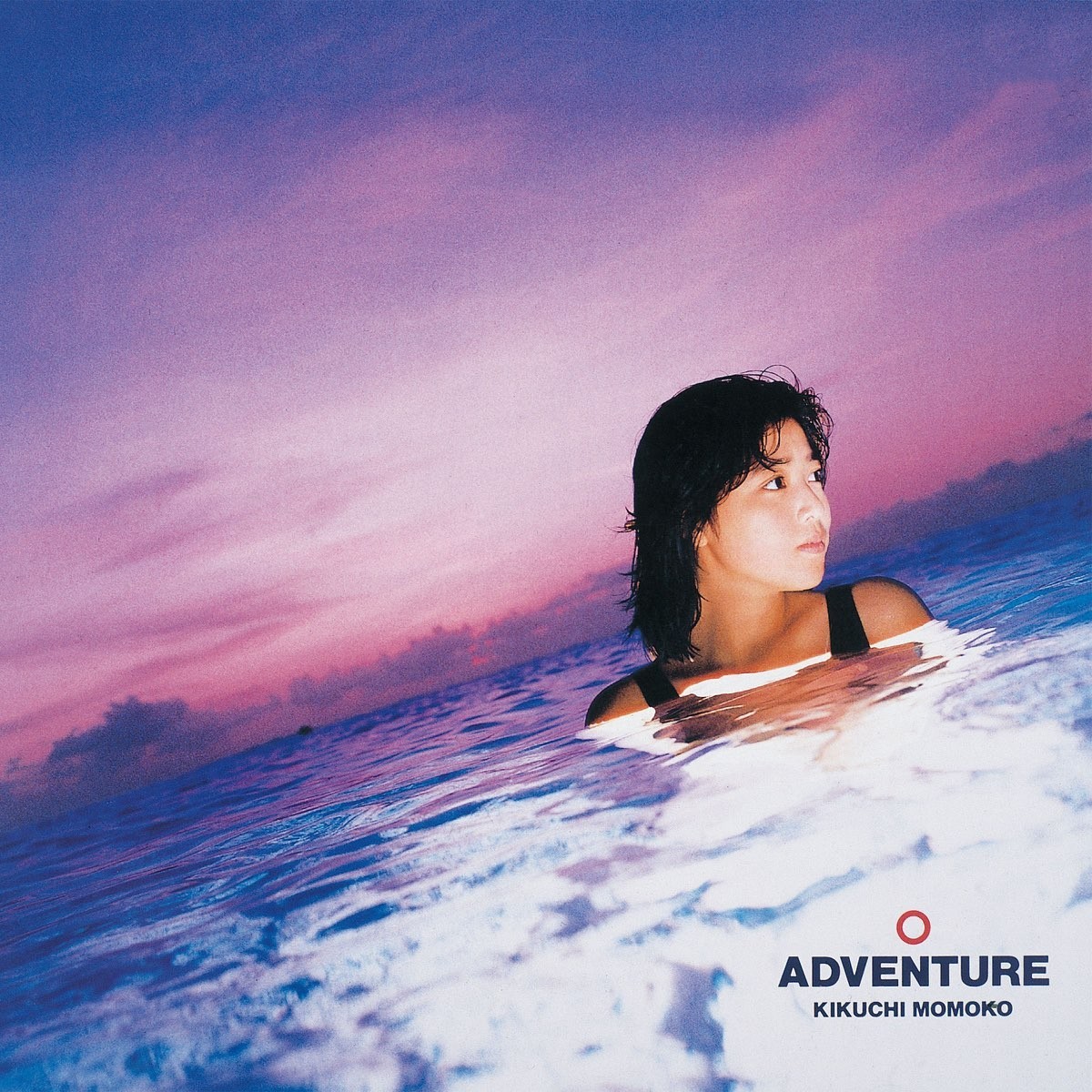 MOMOKO KIKUCHI
1986 · ESSENTIALS
€64 JUNKO YAGAMI
1985 · ESSENTIALS
€55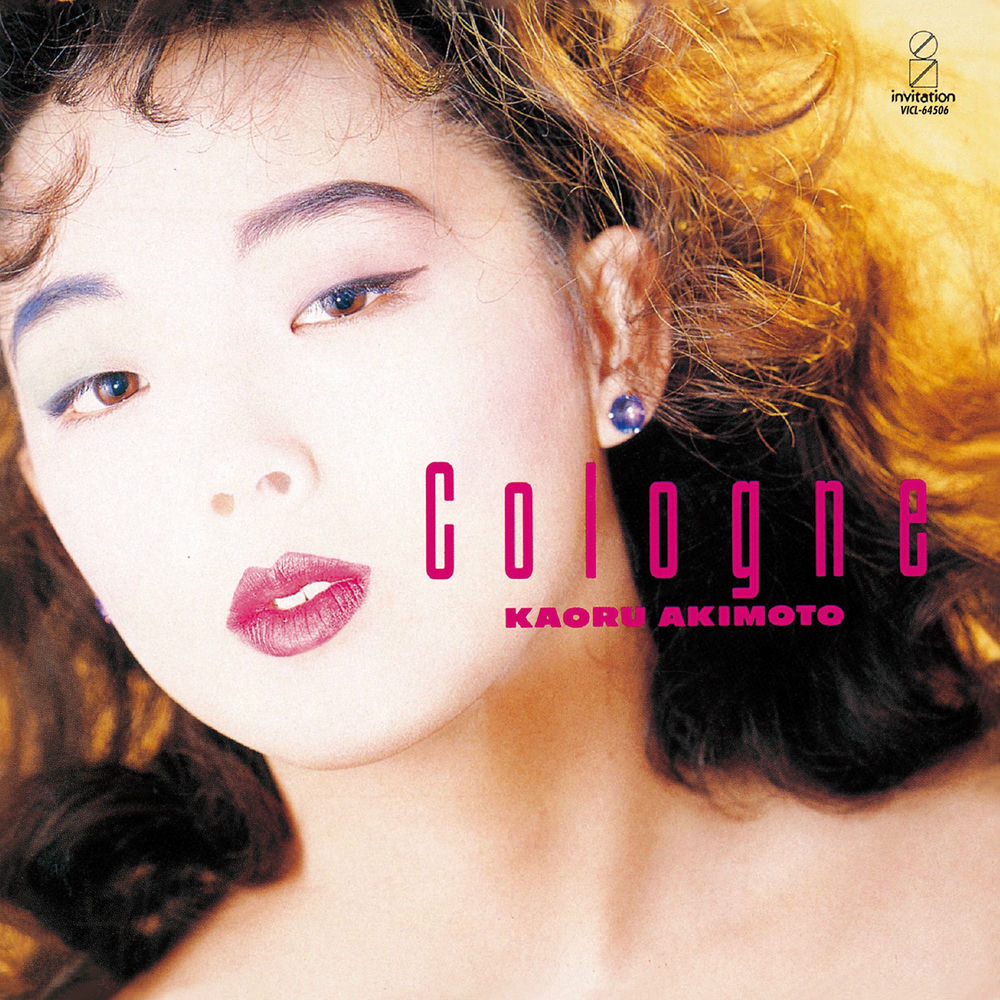 KAORU AKIMOTO
1986 · ESSENTIALS
€110