
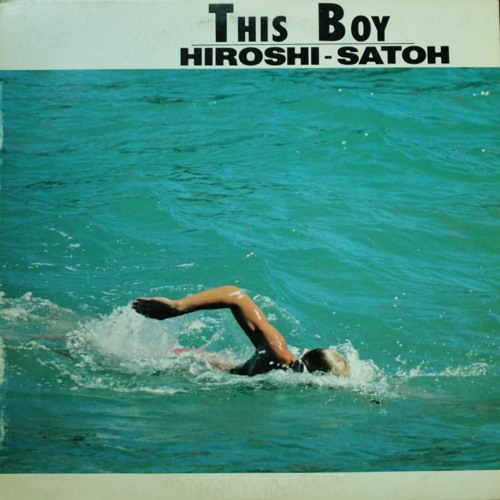
 HIROSHI SATO
THIS BOY
1985 · ESSENTIALS
€85
JAPANESE ORIGINAL PRESSING · 1986
HIROSHI SATO佐藤博
Sato turns sequencers, digital keyboards and intricate vocal layers into humane machine soul, a sleek mid-eighties studio record with warmth inside every circuit.
Released in 1986, SOUND OF SCIENCE represents Hiroshi Sato at his most completely absorbed in the possibilities of mid-eighties studio technology. Sequencers, digital keyboards, programmed rhythm, layered vocals, and electronic processing are central to the album, yet the music never becomes a cold demonstration of equipment. The title track establishes the record’s technological character immediately, while “Angeline,” “Universal Love,” “Borderland,” “Romancing Night,” and “Uchu no Etranger” move between synth-soul, electro-funk, AOR, and more atmospheric electronic pop. Sato’s strength is the way he humanizes machinery. Chords remain warm and harmonically rich, vocals are layered with almost choir-like softness, and programmed rhythm is shaped for feel rather than mechanical exactness alone. Compared with the spacious Awakening, SOUND OF SCIENCE is denser and more overtly digital, reflecting the rapid change in recording technology across just four years. Yet the underlying identity is unmistakably the same: Sato uses new tools to deepen his own musical language rather than simply follow fashion.
OTHERS ALSO VIEWED
HIROSHI SATO1985 · ESSENTIALS
€85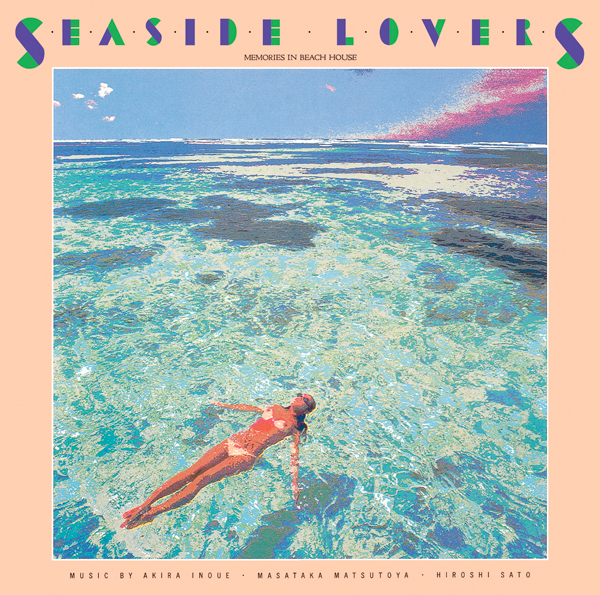 HIROSHI SATO
1983 · ESSENTIALS
PRICE PENDING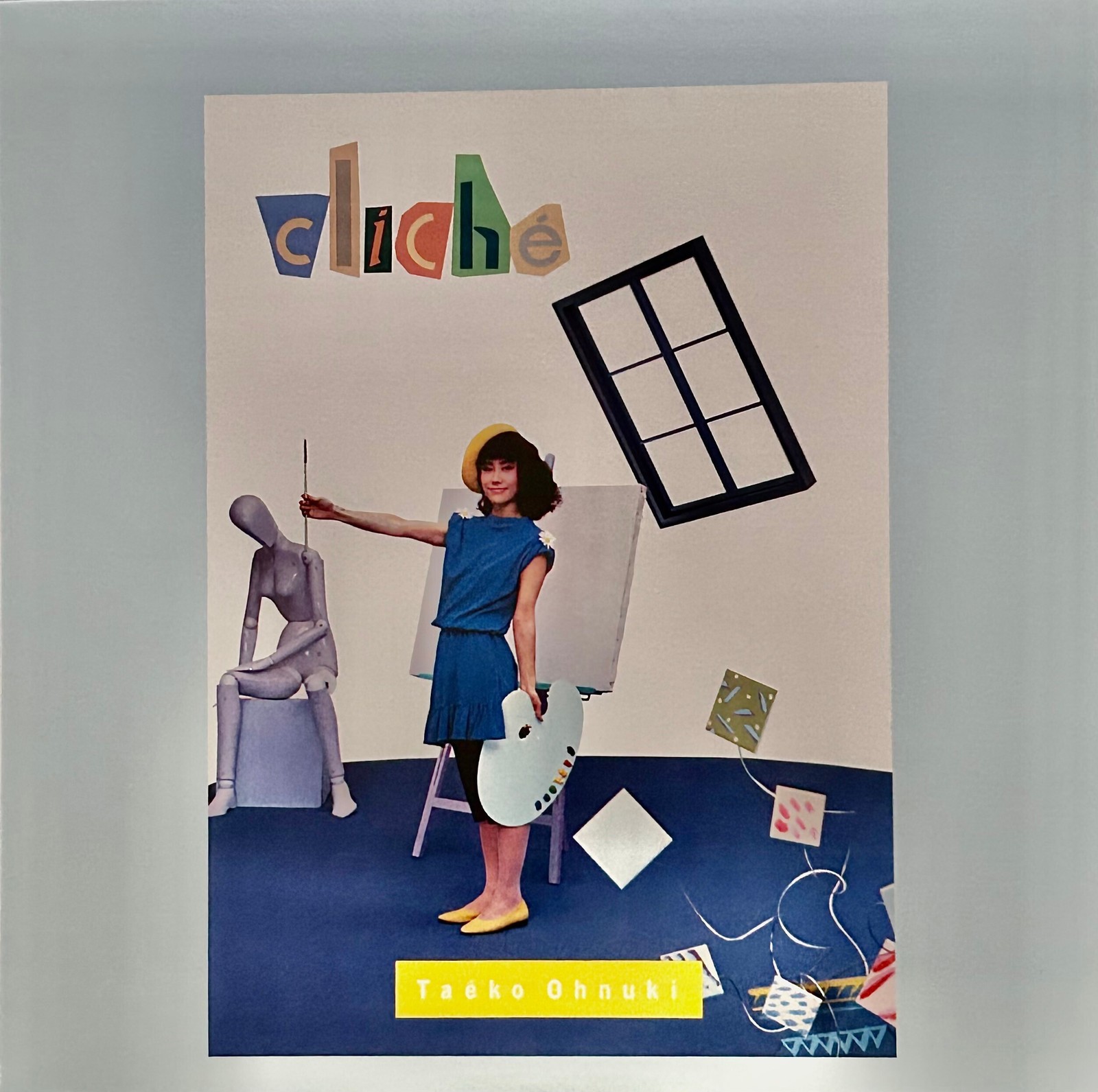 TAEKO OHNUKI
1982 · ESSENTIALS
€78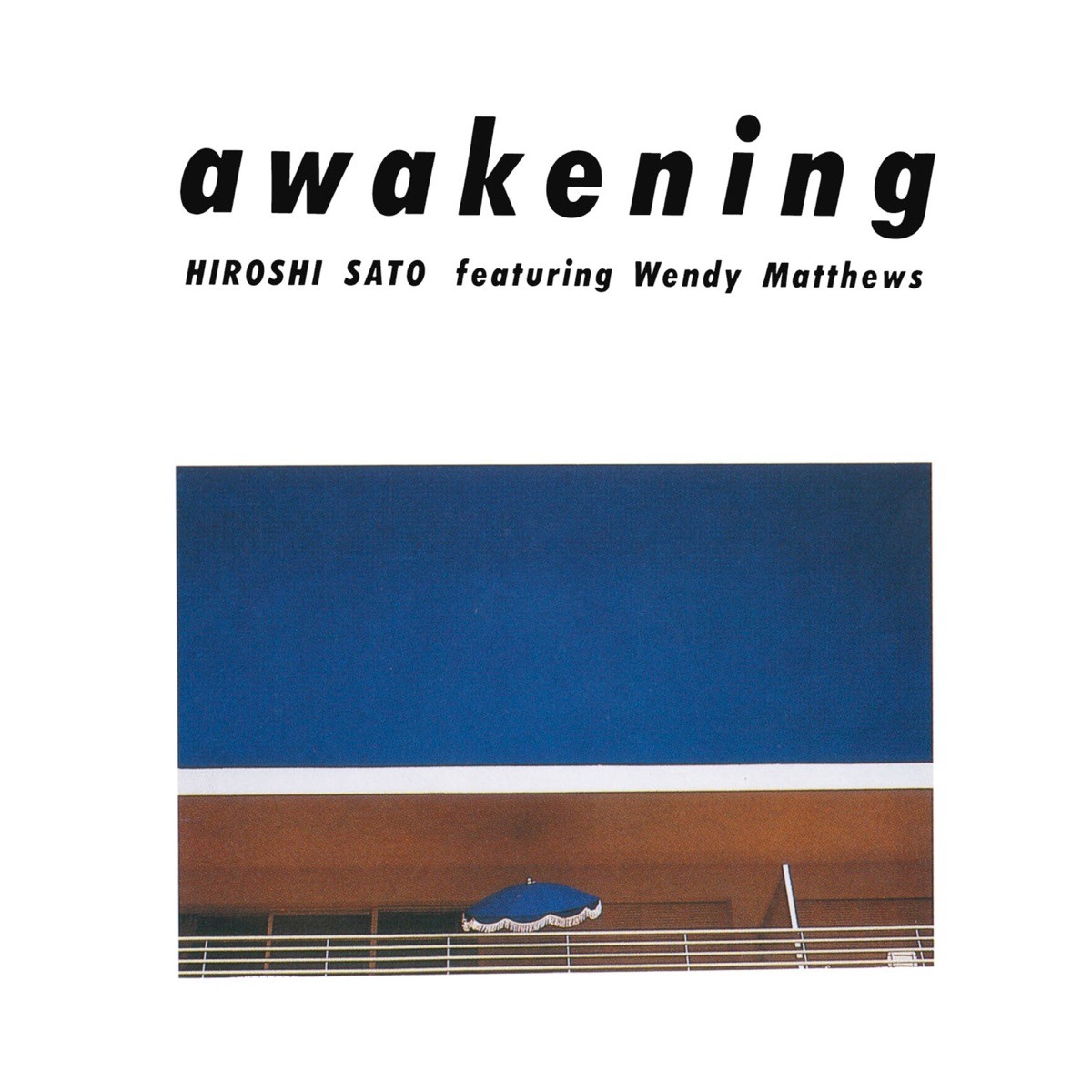 HIROSHI SATO
1982 · ESSENTIALS
€88 HIROSHI SATO
1979 · ESSENTIALS
€90 YELLOW MAGIC ORCHESTRA
1978 · ESSENTIALS
€62 HIROSHI SATO
1977 · ESSENTIALS
€72 MOMOKO KIKUCHI
1986 · ESSENTIALS
€64 MAKOTO MATSUSHITA
1981 · ESSENTIALS
€95 KAORU AKIMOTO
1986 · ESSENTIALS
€110