
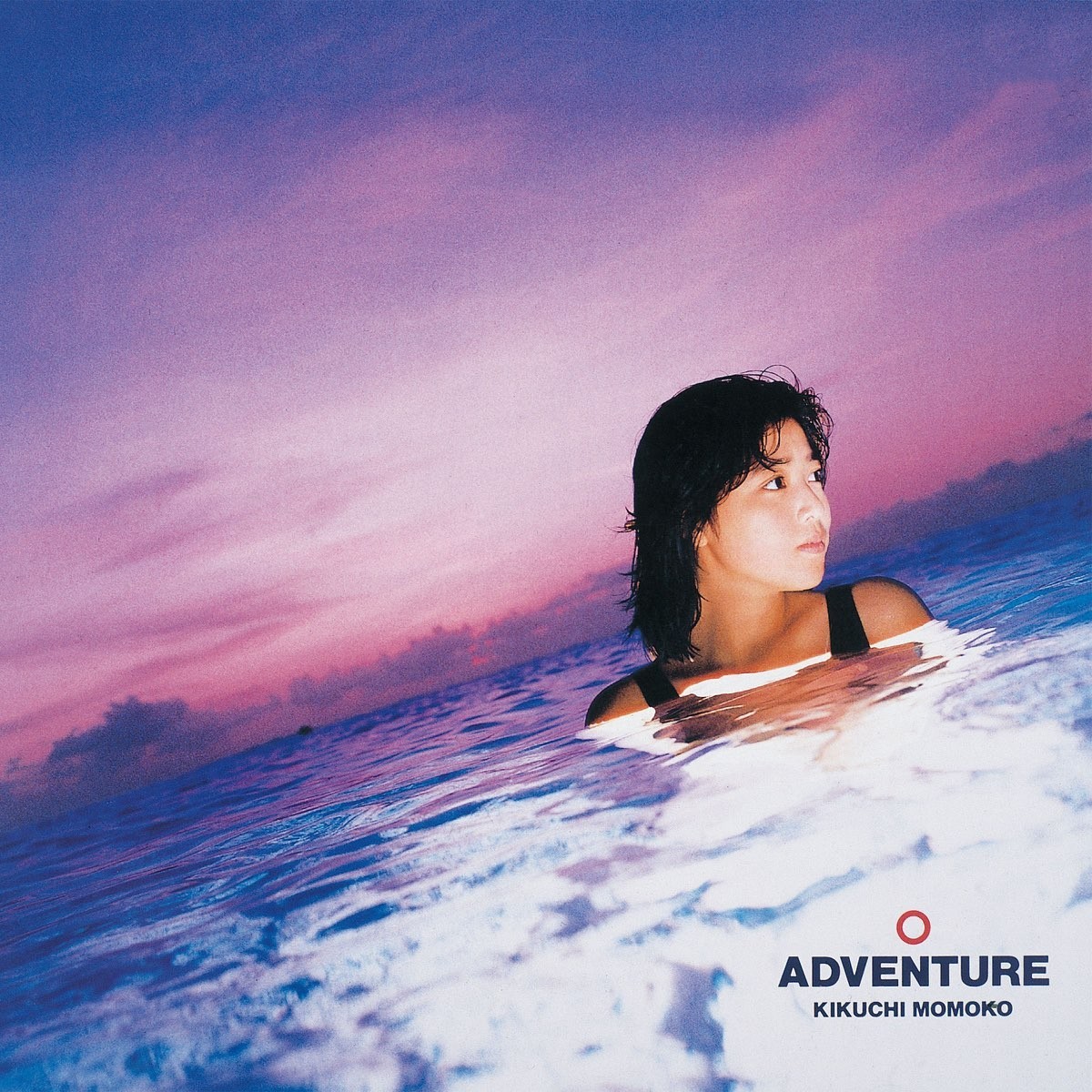
 MOMOKO KIKUCHI
ADVENTURE
1986 · ESSENTIALS
€64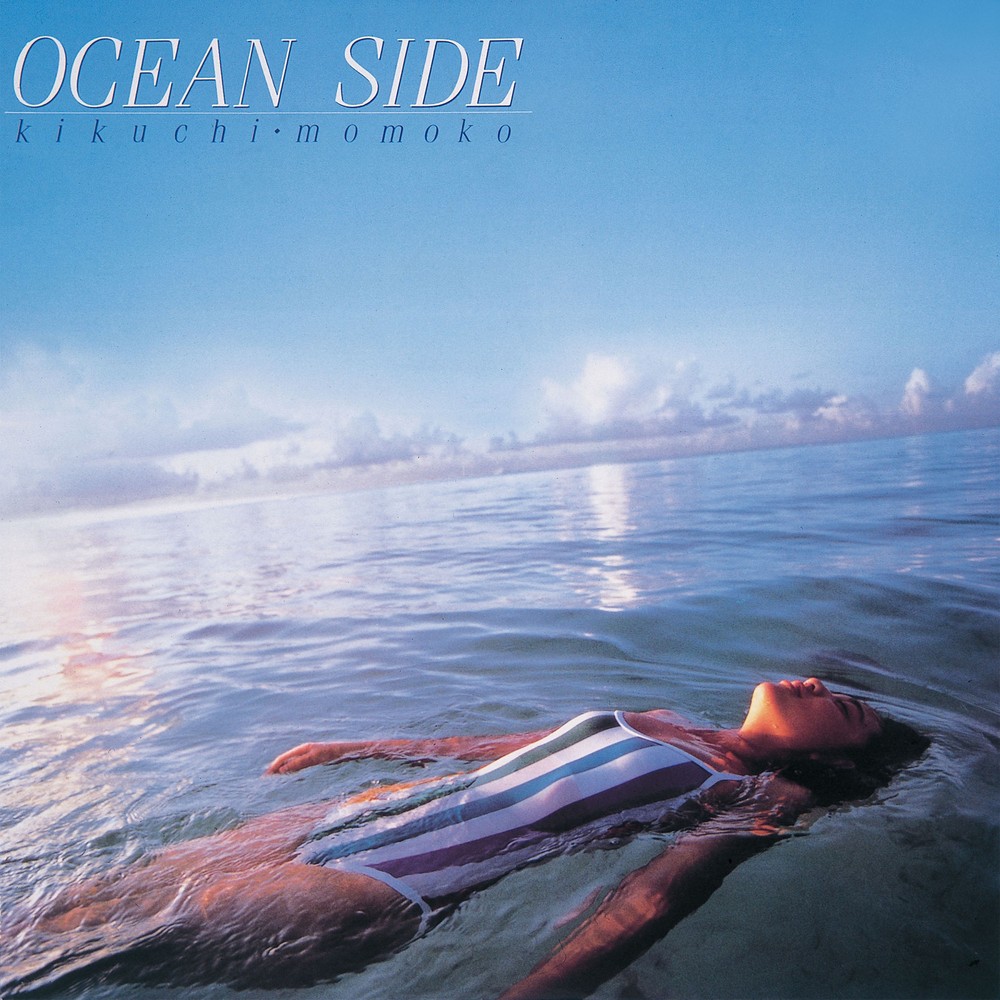
JAPANESE ORIGINAL PRESSING · 1984
MOMOKO KIKUCHI菊池桃子
Tetsuji Hayashi gives Kikuchi's debut a complete seaside architecture, moving from sunlit water and blind curves into the longer shadows of the album's inward-looking Your Side.
Released in 1984, OCEAN SIDE was Momoko Kikuchi’s first original album and immediately established the refined production language that would define much of her early catalog. Tetsuji Hayashi composed and arranged the material throughout, giving the record a degree of musical consistency that separates it from many conventional idol debuts of the period. The title track, “Blind Curve,” “Shadow Surfer,” and “So Many Dreams” move between coastal pop, light funk, synth-driven AOR, and softer ballad writing without breaking the album’s carefully maintained atmosphere. Kikuchi’s breathy, understated vocal style is central to the effect: rather than dominating the arrangements, she floats inside them, leaving room for keyboards, guitar, rhythm programming, and layered backing vocals to create a soft-focus sense of space. “Blind Curve” later gained renewed attention through international covers and online rediscovery, but OCEAN SIDE works best as a complete album. Its importance lies in how thoroughly Hayashi’s sophisticated studio craft was integrated into an idol-pop framework, creating a record that now feels as natural in city-pop and AOR collections as it does in 1980s Japanese pop history.
OTHERS ALSO VIEWED
MOMOKO KIKUCHI1986 · ESSENTIALS
€64 KAZUHITO MURATA
1984 · ESSENTIALS
€55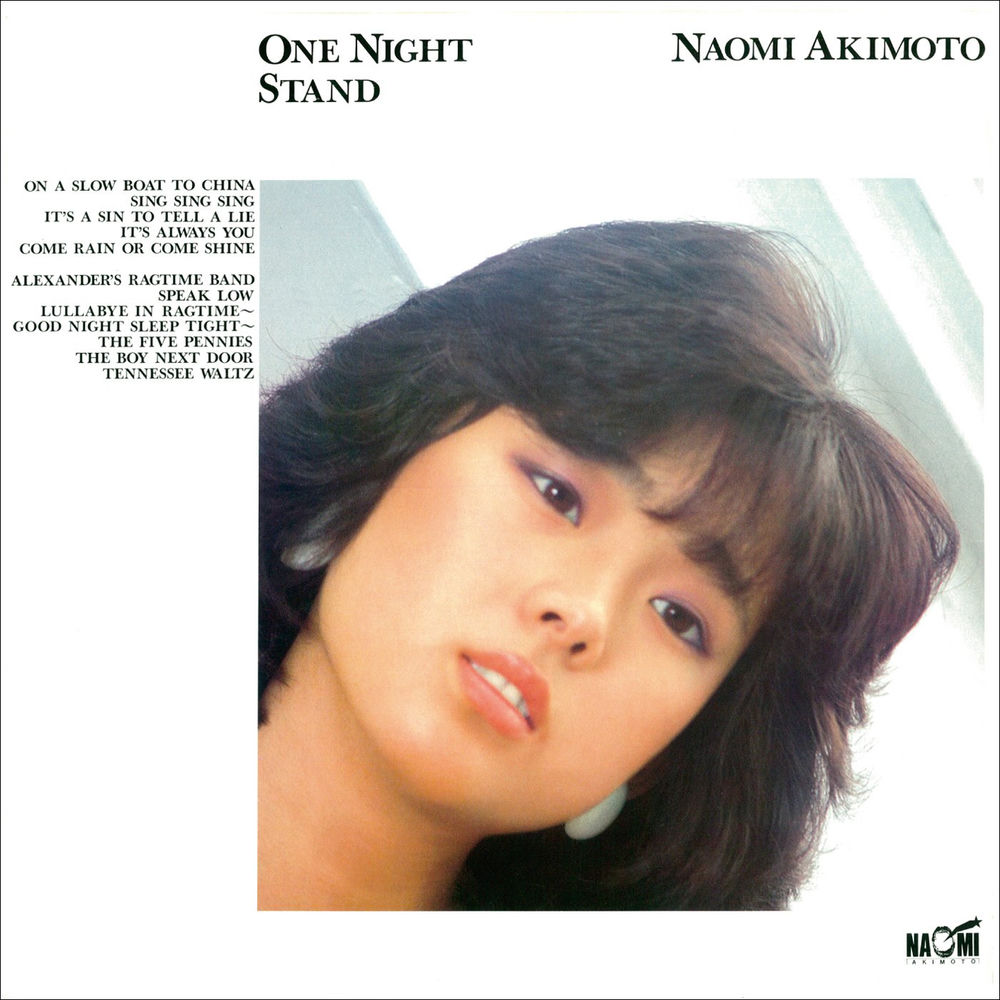 NAOMI AKIMOTO
1982 · ESSENTIALS
€125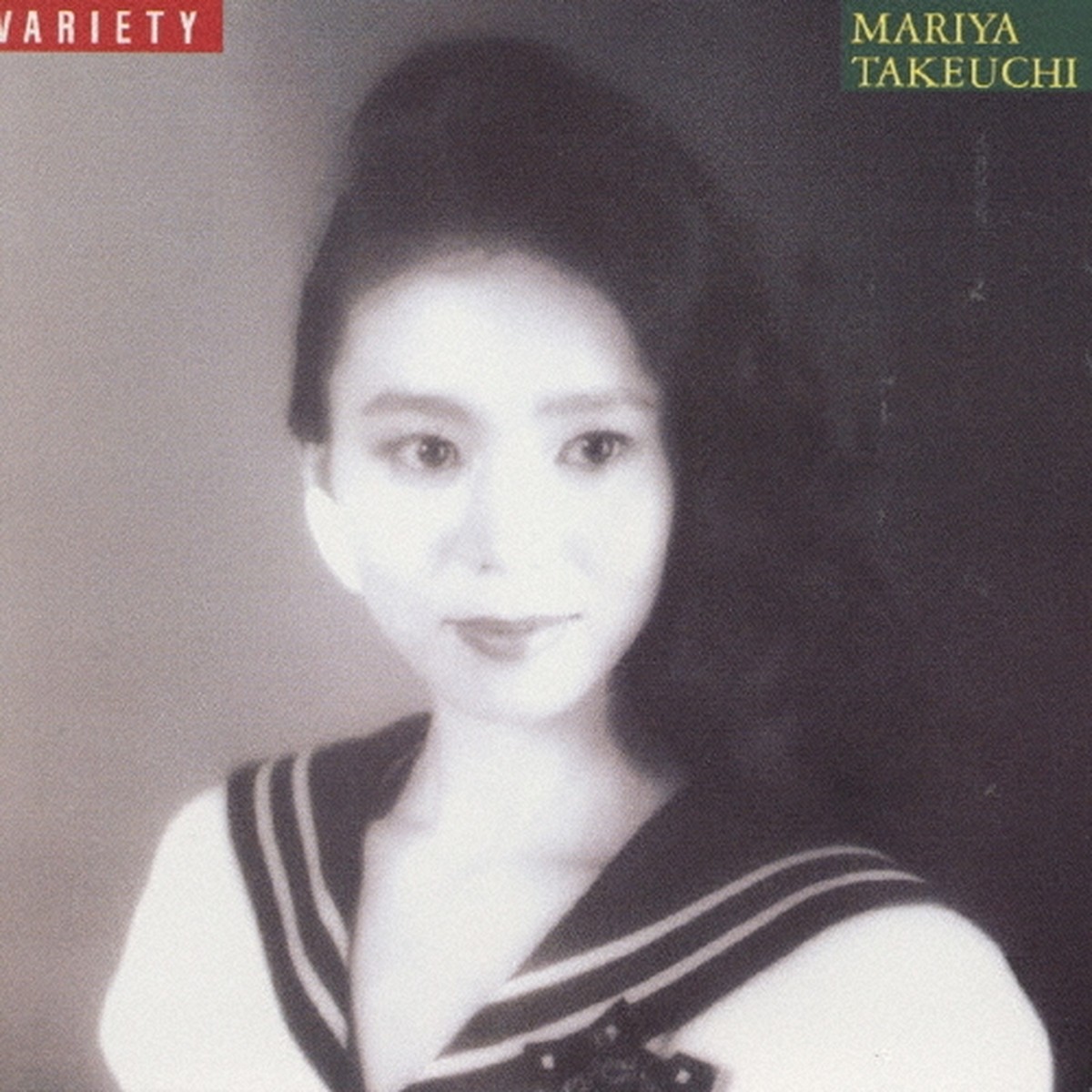 MARIYA TAKEUCHI
1984 · ESSENTIALS
€65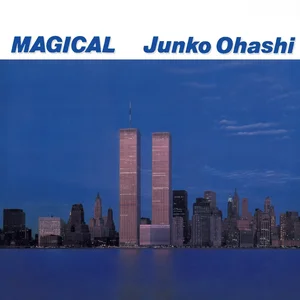 JUNKO OHASHI
1984 · ESSENTIALS
€58 MASAKI MATSUBARA
1983 · ESSENTIALS
€95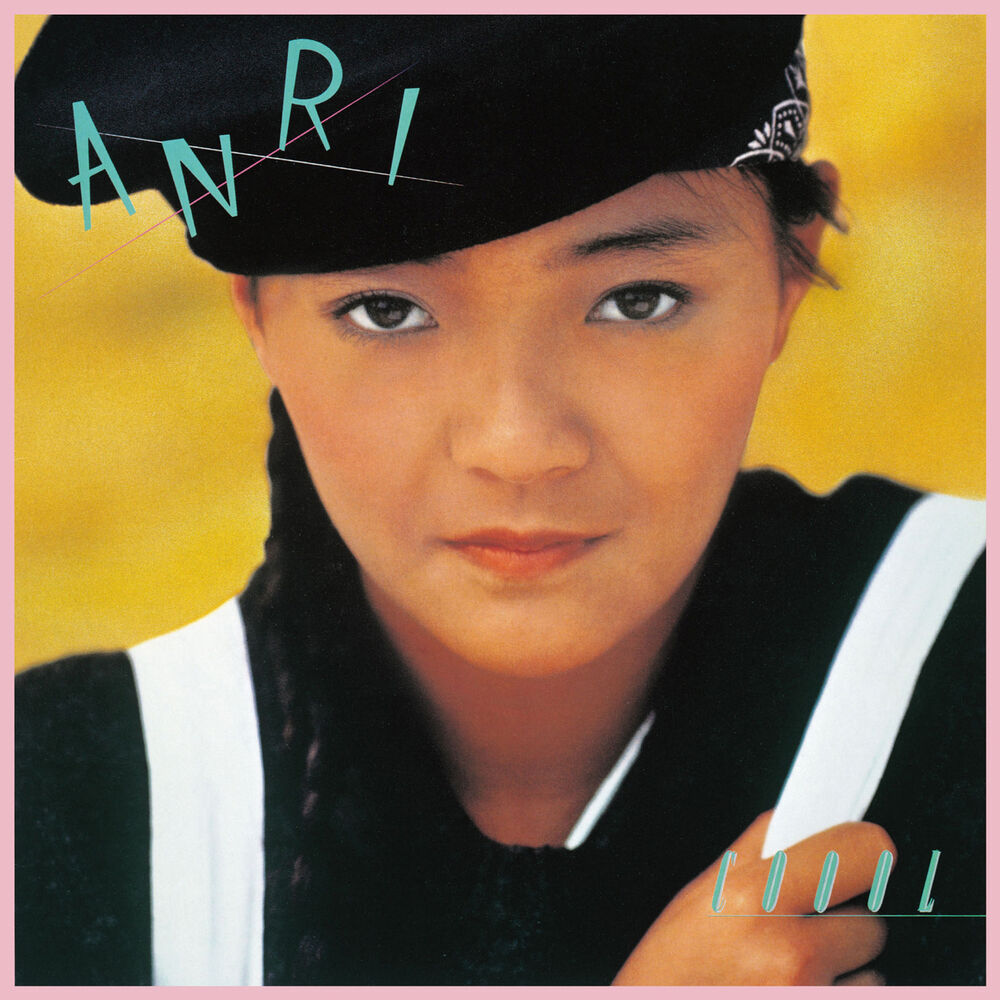 ANRI
ANRI1984 · ESSENTIALS
€68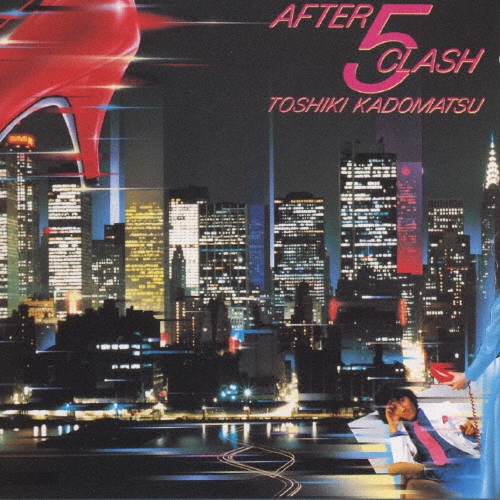 TOSHIKI KADOMATSU
1984 · ESSENTIALS
€98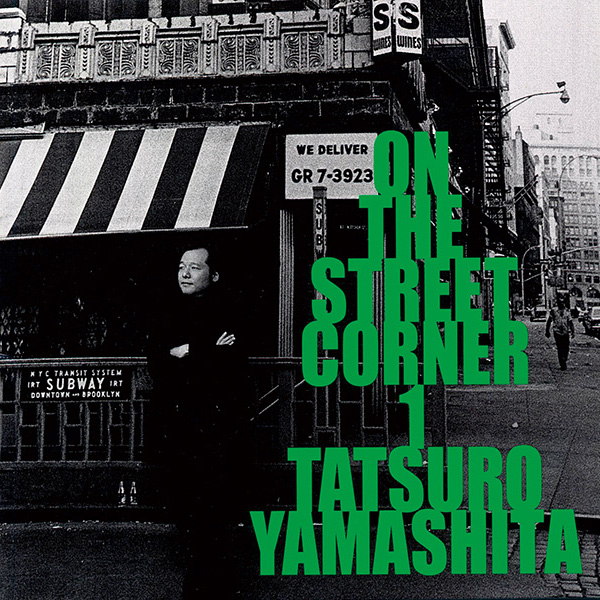 TATSURO YAMASHITA
1980 · ESSENTIALS
€55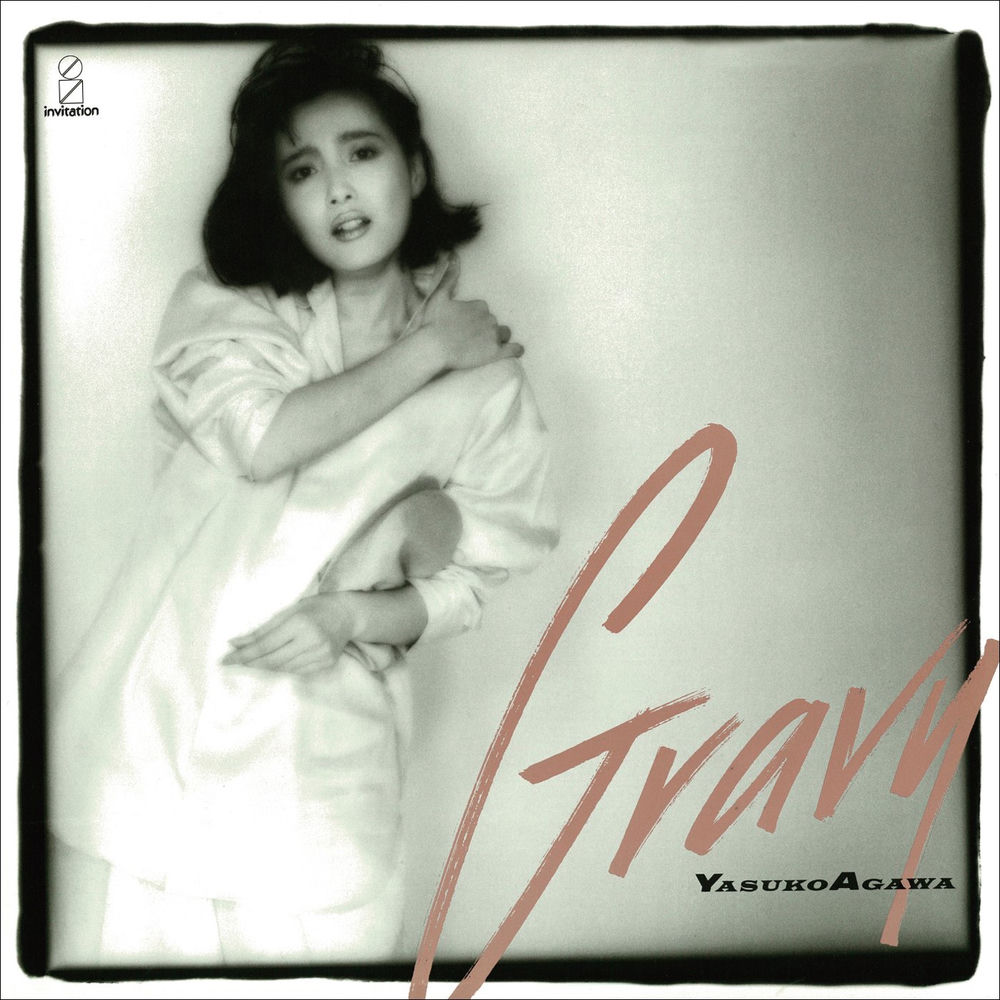 YASUKO AGAWA
1984 · ESSENTIALS
€72