
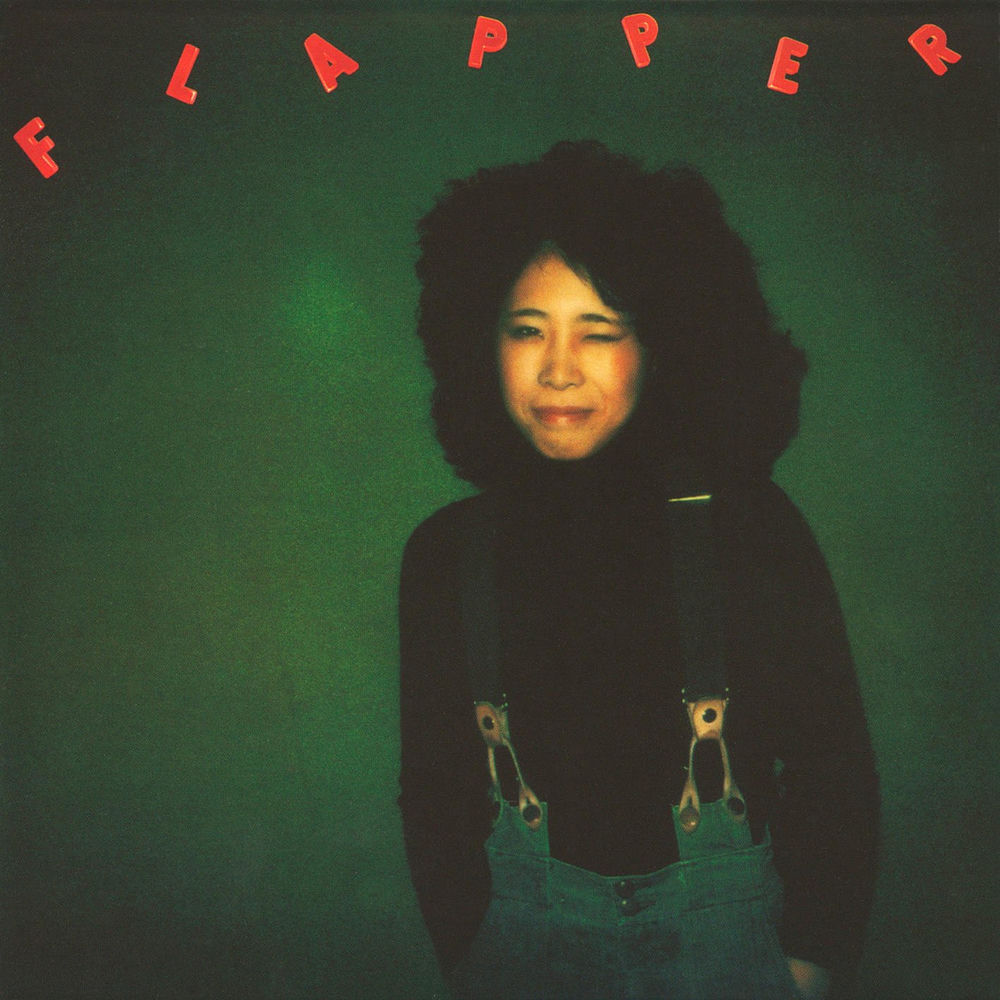
 MINAKO YOSHIDA
FLAPPER
1976 · ESSENTIALS
€82
JAPANESE ORIGINAL PRESSING · 1976
SHIGERU SUZUKI鈴木茂
Recorded in Hawaii, LAGOON lets Suzuki's fluid guitar drift between bossa, funk and soft-focus resort pop while Tokyo Harbor Line keeps one foot in the city.
Released in December 1976, LAGOON is Shigeru Suzuki’s second solo album and a dramatic change from the tougher American funk and rock character of BAND WAGON. Recorded in Hawaii with musicians including Haruomi Hosono and Tatsuo Hayashi, the album turns toward cool jazz, Brazilian music, bossa nova, samba, and softer tropical textures. “Lady Pink Panther,” “Brandy Wine,” “Cordoba no Yoru,” “Almeria,” and “8 Bun Onpu no Uta” move between vocals and instrumentals with an unusually relaxed sense of space. The Hawaiian sessions matter: rather than using resort imagery only as decoration, the entire recording seems to breathe differently, with lighter percussion, open guitar tone, and less aggressive rhythm. Suzuki’s playing remains technically precise, but virtuosity is never the point. His guitar becomes part of the climate of the record—clean, melodic, and often understated. Takashi Matsumoto’s lyrics on the vocal tracks add another layer of sophisticated Japanese pop writing to the tropical setting. LAGOON is a key early example of resort-oriented Japanese pop before “city pop” became a recognizable category, and its mixture of Brazilian influence, fusion, and coastal atmosphere still feels remarkably natural.
OTHERS ALSO VIEWED
MINAKO YOSHIDA1976 · ESSENTIALS
€82 TATSURO YAMASHITA
1976 · ESSENTIALS
€68 JUNKO OHASHI
2021 · ESSENTIALS
€65 MASAYOSHI TAKANAKA
1976 · ESSENTIALS
€68 MASAYOSHI TAKANAKA
1977 · ESSENTIALS
€72 TOMOKO ARAN
1983 · ESSENTIALS
€259 TATSURO YAMASHITA
1977 · ESSENTIALS
€105 SUGAR BABE
1975 · ESSENTIALS
€125 ANRI
ANRI1984 · ESSENTIALS
€68 MINAKO YOSHIDA
1977 · ESSENTIALS
€82